
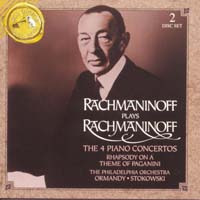
Piano Concertos Nos. 2: the story Sergei Rachmaninoff wants to tell
Piano Concertos Nos. 2- Album Overview
Sergei Rachmaninoff's "Piano Concertos Nos. 2," released in 1901, remains one of the composer's most celebrated works, capturing the emotional depth and technical brilliance that defines his style. The second concerto, in particular, stands out for its lush harmonies and sweeping melodies, which have resonated with audiences and performers alike. This album is typically released under various labels, with notable recordings featuring celebrated pianists such as Lang Lang and Vladimir Ashkenazy, accompanied by prestigious orchestras like the London Symphony Orchestra, showcasing the concerto's grandeur.
Rachmaninoff composed the second concerto following a difficult period in his life, including a struggle with depression and a sense of artistic failure after the poor reception of his First Symphony. The concerto's premiere in 1901, performed by the composer himself as a soloist, marked a triumphant return to the public eye and solidified his reputation as a leading composer of the late Romantic era. The work consists of three movements: "Moderato," "Adagio sostenuto," and "Allegro scherzando," each capturing a distinct emotional landscape, from introspective melancholy to exuberant joy.
The cultural significance of this concerto cannot be overstated; it has been featured in numerous films, commercials, and television shows, helping to bridge the gap between classical music and popular culture. The lush orchestration and heartfelt piano passages create a narrative that speaks to the human experience, making it a timeless masterpiece that continues to be a favorite among both classical music aficionados and casual listeners.
Review
The sound of Rachmaninoff's "Piano Concertos Nos. 2" envelops the listener in a rich tapestry of emotion and virtuosity. The piano writing is both technically demanding and deeply expressive, inviting performers to explore the full range of the instrument's capabilities. The opening movement bursts forth with a passionate theme, drawing listeners into an introspective journey. The second movement, with its hauntingly beautiful melodies, offers a moment of reflection, showcasing Rachmaninoff's ability to convey profound emotion through music. Finally, the third movement erupts with exuberance, combining rhythmic drive and lyrical beauty that leaves audiences breathless.
Artistically, Rachmaninoff's vision comes through in the seamless interplay between the piano and orchestra, where each part complements the other, creating a dialogue that is both intricate and harmonious. The concerto's ability to evoke a wide range of feelings — from sadness to jubilation — speaks to its universal appeal and enduring relevance. Performances of this work often highlight the performer's ability to balance technical prowess with emotional depth, making it a favored piece in the concert repertoire.
Highlights
- Rich emotional depth and technical brilliance in piano writing.
- Memorable melodies that resonate with audiences across generations.
- Seamless orchestration that showcases the dialogue between piano and orchestra.
Weak points
- The emotional intensity may overwhelm some listeners seeking lighter fare.
- Performance interpretations can vary significantly, leading to inconsistencies in presentation.
- Lengthy passages may challenge listeners' attention spans in a concert setting.
Overall evaluation
Sergei Rachmaninoff's "Piano Concertos Nos. 2" is a monumental work that continues to captivate with its emotional richness and technical demands. It stands as a testament to Rachmaninoff's genius and his ability to convey the complexities of the human experience through music.
Personal rating: 9/10