
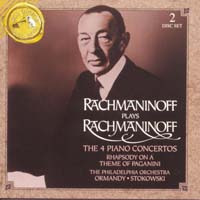
Inside Piano Concerto No. 3 by Sergei Rachmaninoff
Piano Concerto No. 3- Album Overview
Sergei Rachmaninoff's Piano Concerto No. 3 in D minor, Op. 30, composed in 1909, is one of the most celebrated and technically challenging works in the piano repertoire. The concerto was premiered by the composer himself with the New York Symphony Society under the baton of Walter Damrosch on November 28, 1909. This monumental piece showcases Rachmaninoff's extraordinary ability to blend lush melodies with intricate harmonies and virtuosic piano passages. The concerto is often noted for its emotional depth, featuring a wide range of dynamics and contrasting themes that reflect Rachmaninoff's own tumultuous experiences, including his struggles with depression and his longing for his homeland after leaving Russia. The work is structured in three movements: I. Allegro ma non tanto, II. Intermezzo (Adagio), and III. Finale (Alla breve). Each movement presents unique challenges for the pianist, requiring not only technical prowess but also a deep interpretative insight. The concerto has been recorded by numerous esteemed pianists, including Horace Parlan, Martha Argerich, and Daniil Trifonov, among others. It has been featured in several albums, with notable recordings released under labels such as Deutsche Grammophon and RCA Victor. The cultural significance of Rachmaninoff’s Third Piano Concerto was further amplified by its depiction in popular media, most famously in the film "Shine," which chronicled the life of pianist David Helfgott, highlighting the concerto's standing as a pinnacle of piano literature.
Review
The sound of Rachmaninoff's Piano Concerto No. 3 is nothing short of breathtaking. The orchestration provides a rich backdrop to the piano's voice, weaving a tapestry of lush harmonies that complement the intricate piano lines. The concerto begins with a powerful orchestral introduction, setting the stage for the piano's entrance, which is both assertive and lyrical. The second movement, with its haunting melodies, showcases Rachmaninoff's gift for creating poignant, emotive music that resonates deeply with the listener. The finale is a tour de force, blending relentless energy with moments of introspection, culminating in a dramatic conclusion that leaves audiences in awe. In terms of artistic vision, Rachmaninoff masterfully combines technical challenges with profound emotional expression, inviting performers to not only showcase their virtuosity but also to convey the music’s deep emotional core. The interplay between the piano and orchestra is meticulously crafted, highlighting the collaboration required between the soloist and the ensemble. The recording quality varies among different interpretations, but the best renditions capture the concerto's grand scale and intimate moments alike, allowing listeners to appreciate the full spectrum of Rachmaninoff's genius.
Highlights
- Technical virtuosity demanded from the pianist
- Emotionally rich melodies that resonate with listeners
- Complex orchestration that enhances the piano's role
Weak points
- Can be overwhelming for less experienced listeners
- Some interpretations may lack emotional depth
- Length may deter casual listeners from engaging fully
Overall evaluation
Rachmaninoff's Piano Concerto No. 3 stands as a monumental work in the classical repertoire, showcasing the composer's unparalleled ability to merge technical brilliance with profound emotional expression. It remains a favorite among pianists and audiences alike, continuing to inspire and challenge musicians around the world.
Personal rating: 9/10