
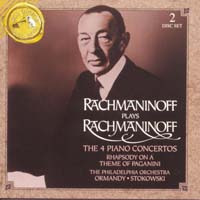
Sergei Rachmaninoff – Piano Concerto no. 3 in D minor: track-by-track perspective
Piano Concerto no. 3 in D minor- Album Overview
The Piano Concerto No. 3 in D minor, Op. 30, composed by Sergei Rachmaninoff in 1909, is a cornerstone of the piano repertoire and is often regarded as one of the most challenging concertos for the instrument. Rachmaninoff composed this piece during his time in the United States, where he had settled after a tumultuous period in Russia, including the 1905 revolution. The concerto was premiered by the New York Symphony Society on October 28, 1909, with the composer himself as the soloist, and it was conducted by Walter Damrosch.
This work has been recorded numerous times, with various interpretations enriching its legacy. It is typically released under classical music labels like RCA Victor, Deutsche Grammophon, and more recently, through digital platforms. The concerto consists of three movements: 1) Allegro ma non tanto, 2) Intermezzo: Adagio, and 3) Finale: Alla breve. Each movement showcases Rachmaninoff's lyrical melodies, intricate piano passages, and lush orchestration.
The concerto has not only gained acclaim for its technical demands but also for its emotional depth, reflecting Rachmaninoff's personal struggles and triumphs. Its significance extends beyond the concert hall, as it has appeared in various films and popular culture, further cementing its status as a musical masterpiece. It has become a rite of passage for many pianists, symbolizing both a formidable challenge and a profound artistic goal.
Review
The sound of Rachmaninoff's Piano Concerto No. 3 is a magnificent blend of technical prowess and emotional expression. The orchestration complements the piano beautifully, weaving a rich tapestry of colors that highlight the soloist's virtuosity. Each movement invites the listener on a journey, from the vigorous and dramatic opening to the hauntingly beautiful second movement, which showcases Rachmaninoff’s ability to evoke deep feeling through melody. The finale bursts forth with energy and complexity, demanding both precision and passion from the pianist.
Artistically, Rachmaninoff’s vision is ambitious, merging Romantic sensibilities with a modern touch that still resonates today. The concerto's themes are deeply personal, reflecting Rachmaninoff’s own life experiences, and this connection adds layers to its interpretation. While the technical challenges are daunting, they serve to elevate the music, creating a powerful emotional experience for the audience.
Highlights
- Exquisite melodic lines that showcase Rachmaninoff's lyrical genius.
- The intricate interplay between soloist and orchestra, creating a dynamic listening experience.
- Emotionally resonant themes that leave a lasting impact on the audience.
Weak points
- Its technical demands may overshadow the emotional content for less experienced pianists.
- The length of the concerto might challenge audience engagement in some performances.
- Some interpretations may lack the necessary emotional depth, focusing solely on technical execution.
Overall evaluation
Rachmaninoff's Piano Concerto No. 3 is a monumental work that challenges and inspires both performers and listeners alike. Its rich emotional landscape and technical brilliance make it an essential piece in the classical repertoire. The concerto's ability to convey profound feelings through music ensures its place in the hearts of many.
Personal rating: 9/10