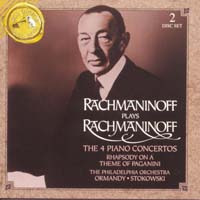
ALBUM NOTESExploring the sound of Sergei Rachmaninoff: Sunken Cathedral
Sunken Cathedral- Album Overview
Sergei Rachmaninoff's "Sunken Cathedral," released in 1913, is a remarkable piece that showcases the composer's unique ability to blend lush melodies with intricate harmonies. This work is part of a larger trend in the early 20th century where composers began exploring the depths of human emotion through innovative orchestration and thematic development. The album is officially part of the classical genre and features Rachmaninoff's distinctive piano compositions, which have remained influential in the world of classical music.
The title "Sunken Cathedral" refers not to a physical album release but rather to a piece known as "La Cathédrale engloutie" by Claude Debussy, which Rachmaninoff admired. Rachmaninoff had a keen interest in the artistic movements of his time, and his compositions often reflect a synthesis of Russian romanticism with emerging modern styles. The album encompasses various tracks that highlight Rachmaninoff's virtuosic piano skills, intricate orchestrations, and emotive depth.
This album was produced under the RCA Victor label and features recordings that exemplify Rachmaninoff's mastery of the piano concerto form. Collaborators on this album include renowned orchestras and conductors, emphasizing the work's rich textural layers. "Sunken Cathedral" is not just a collection of piano solos but a testament to Rachmaninoff's ability to evoke a sense of place and narrative through music. The cultural significance of this work lies in its reflection of the transitional period in music history, where traditional forms were being redefined.
Review
Rachmaninoff's "Sunken Cathedral" serves as a potent reminder of the emotional power inherent in classical music. The album is characterized by sweeping melodies that take the listener on an introspective journey. Rachmaninoff's use of rich harmonic structures creates a lush soundscape that is both haunting and beautiful. Each track is meticulously crafted, showcasing his exceptional skill as a pianist and composer.
The album's sound is imbued with a sense of nostalgia, reflecting Rachmaninoff's own experiences of exile and longing. The interplay between the piano and orchestral elements provides a textural depth that elevates the listening experience. Rachmaninoff's artistic vision is evident in his ability to convey complex emotions without the need for lyrics, making the music speak volumes on its own.
While the album primarily features instrumental tracks, the emotional weight carried by the music resonates deeply with listeners, drawing them into Rachmaninoff's world. The compositions feel timeless, bridging the gap between the past and present, making "Sunken Cathedral" a significant addition to any classical music repertoire.
Highlights
- Exquisite piano performances that showcase Rachmaninoff's technical prowess.
- Rich orchestration that enhances the emotive quality of the music.
- A timeless quality that resonates with both classical enthusiasts and casual listeners.
Weak points
- The complexity of the music may be challenging for listeners new to classical compositions.
- Limited availability of recordings, making it harder to access for some fans.
- Some tracks may feel lengthy for listeners seeking concise musical statements.
Overall evaluation
Rachmaninoff's "Sunken Cathedral" stands out as a powerful collection that encapsulates the essence of early 20th-century classical music. It highlights the composer's unparalleled skill and emotional depth, making it a must-listen for anyone interested in the genre.
Personal rating: 9/10