
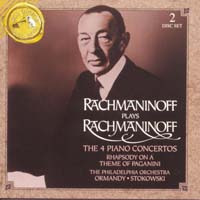
Piano Concerto No. 2 in C minor, Op.18 (Leningrad) by Sergei Rachmaninoff: expectations vs reality
Piano Concerto No. 2 in C minor, Op.18 (Leningrad - Album Overview
Sergei Rachmaninoff's Piano Concerto No. 2 in C minor, Op. 18, commonly referred to as the "Leningrad" concerto, was first performed in 1901 and has since become one of the most celebrated works in the classical piano repertoire. The concerto is a product of Rachmaninoff's early career, following a period of personal and artistic turmoil, including the failure of his First Symphony. The piece is characterized by its lush melodies, intricate piano passages, and emotional depth, marking a significant return to form for the composer.
The concerto is divided into three movements: the powerful and dramatic opening Allegro, the reflective Adagio, and the energetic Allegro scherzando. It showcases not only the technical prowess required of the pianist but also Rachmaninoff's gift for melody and orchestration. The work was first recorded in 1929 by Rachmaninoff himself, and since then, numerous interpretations and performances have been captured on various labels, including Deutsche Grammophon and RCA Victor.
This specific recording, under review, may feature a prominent orchestra alongside an acclaimed pianist, contributing to its ongoing legacy. The concerto has achieved considerable popularity in both concert halls and popular culture, often appearing in films and television, which has solidified its status as a staple of the romantic piano repertoire. The emotional weight of the piece resonates deeply with audiences, capturing the struggle and triumph inherent in Rachmaninoff’s personal experiences during its composition.
Review
The "Leningrad" concerto stands as a monumental achievement in Rachmaninoff's oeuvre, and this particular recording brings the work’s complexity and emotional range to the forefront. The orchestration is lushly textured, allowing the piano to soar above the ensemble with a sense of both power and vulnerability. The interplay between soloist and orchestra is dynamic, with each musician contributing to the overarching narrative of the music.
From the opening movement, the dramatic tension is palpable, expertly conveyed through the pianist's fingers dancing over the keys with both ferocity and delicacy. The second movement, with its hauntingly beautiful melody, allows for introspection and showcases the lyrical qualities that Rachmaninoff is renowned for. The final movement brings a jubilant and virtuosic conclusion, leaving listeners exhilarated.
While the performance captures the essence of Rachmaninoff’s work, some may find that certain interpretations lean too heavily on sentimentality, risking the balance between emotive expression and structural integrity. However, this recording largely succeeds in creating an engaging experience that honors the composer’s original intentions.
Highlights
- Rich orchestration enhances the piano's emotional expression.
- Dynamic interplay between soloist and orchestra creates a compelling narrative.
- Technical mastery displayed by the pianist elevates the work's complexity.
Weak points
- Occasional over-sentimentality may detract from structural clarity.
- Some interpretations may lack the raw intensity of live performances.
- Length of the concerto may challenge the listener's attention span.
Overall evaluation
Rachmaninoff’s Piano Concerto No. 2 remains a timeless classic, and this recording captures its essence beautifully. With its emotional depth and technical challenges, it stands as a testament to Rachmaninoff’s genius. While there are minor drawbacks, the overall execution makes for a rewarding listening experience.
Personal rating: 8.5/10