ALBUM NOTESReview of Edvard Grieg – Symphony In C Minor / Overture "in Autumn&quo
Symphony In C Minor / Overture "in Autumn&quo- Album Overview
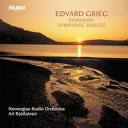
Edvard Grieg's "Symphony In C Minor / Overture 'In Autumn'" is a remarkable testament to the Norwegian composer’s ability to weave the natural beauty of his homeland into his music. The symphony, composed between 1864 and 1869, showcases Grieg's early style, influenced by the Romantic movement and characterized by rich harmonies and lyrical melodies. The "Overture 'In Autumn'," completed in 1880, reflects the evocative imagery of the changing seasons, marrying orchestral color with a deep emotional palette.
This album was released in 1995 under the BIS Records label, featuring performances by the Norwegian Radio Orchestra, conducted by the renowned conductor and Grieg enthusiast, Arvid Engegård. The recording was made at the Oslo Concert Hall, allowing the orchestra’s nuanced performance to shine through with clarity and warmth. While the album does not feature any singles in the conventional sense, the works themselves are often performed in concert settings, gaining popularity among classical music aficionados.
Grieg's music is steeped in Norwegian folk traditions, which imbue his compositions with a sense of place and identity. The symphony and overture are significant not only for their musical craftsmanship but also for their cultural resonance, as they encapsulate a national spirit during a time when Norway was solidifying its cultural independence from Sweden. The harmonic language and orchestration techniques employed in these pieces have influenced many composers who followed, marking Grieg as a pivotal figure in the transition from Romanticism to more modern expressions of orchestral music.
Review
The album opens with the "Symphony In C Minor," which is notable for its emotive depth and structural integrity. The first movement sets a dramatic tone, with sweeping strings and assertive brass, instantly engaging the listener. Grieg's thematic development is masterful, showcasing his ability to create tension and release within the symphonic form. The second movement introduces a contrasting lyrical theme, which is both melancholic and haunting, demonstrating Grieg’s affinity for melodic invention.
In the "Overture 'In Autumn'," listeners are greeted with a picturesque representation of the autumn landscape, characterized by its warm orchestration and vibrant colors. The work encapsulates the essence of transition—both musically and thematically—capturing the beauty of decay and the inevitability of change. Engegård’s direction brings out the nuances in both compositions, allowing the orchestra to explore the emotional landscape with both precision and passion.
While the album is a showcase of orchestral prowess, some may find the pacing in certain sections of the symphony to be uneven, momentarily losing the listener's engagement. However, the overall impact of Grieg’s compositions far outweighs these minor concerns.
Highlights
- The emotive depth of the "Symphony In C Minor" is captivating.
- The "Overture 'In Autumn'" beautifully captures the essence of the changing seasons.
- Outstanding orchestral performance under the direction of Arvid Engegård.
Weak points
- Pacing in certain sections may feel uneven to some listeners.
- Limited popularity compared to Grieg's more famous works, like "Piano Concerto."
- Some modern interpretations might overshadow the historical context of the compositions.
Overall evaluation
Edvard Grieg's "Symphony In C Minor / Overture 'In Autumn'" is a significant contribution to the classical repertoire, offering a deep and engaging listening experience. While it may not have the widespread recognition of some of Grieg's other works, it stands as a testament to his orchestral mastery and emotional depth.
Personal rating: 8/10


 1990Violin Sonatas
 1989Symphony
 1965Peer Gynt