
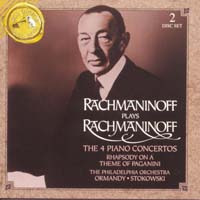
How Sergei Rachmaninoff shaped the sound of Sonates Pour Violoncelle Et Piano Opus 19 & Op
Sonates Pour Violoncelle Et Piano Opus 19 & Op- Album Overview
Sergei Rachmaninoff's "Sonates Pour Violoncelle Et Piano Opus 19 & Op" is a vital contribution to the chamber music repertoire, showcasing the composer's lyrical genius and deep understanding of instrumental interplay. Composed in 1901, the sonata for cello and piano represents a pivotal moment in Rachmaninoff's early career, as he was emerging from the shadows of his earlier works. The album was first recorded under the Russian label Melodiya and has since been reissued by various labels, ensuring its accessibility to audiences worldwide.
The compositions featured in this album are noted for their rich emotional depth and intricate harmonies. The first sonata is characterized by its lush melodies and engaging dialogue between the cello and piano, while the second piece, "Sonate Pour Violoncelle Et Piano Opus 19," often showcases Rachmaninoff's romantic style with sweeping phrases and a striking sense of drama. Throughout the recordings, the collaborative performance by renowned cellists and pianists brings forth the nuances of Rachmaninoff's writing, which is deeply influenced by the Russian musical tradition as well as Western classical elements.
The album has received acclaim not only for its musicality but also for its cultural significance, as it helps to bridge the gap between the Russian and Western classical music scenes. Rachmaninoff’s works have inspired countless musicians, and this album serves as a testament to his ability to convey profound emotions through his compositions. The production quality of the recordings captures the warmth and intensity of live performances, allowing listeners to experience the full spectrum of Rachmaninoff's sound world.
Review
The sound of "Sonates Pour Violoncelle Et Piano Opus 19 & Op" is both lush and intricate, with Rachmaninoff's signature harmonic language and emotive phrasing taking center stage. The combination of cello and piano creates a sonorous blend that is richly textured, emphasizing the dialogue between the two instruments. Each track unfolds like a narrative, with the cellist often taking on a vocal quality that resonates with the listener's emotional core.
Critically, the album reflects Rachmaninoff’s artistic vision, which marries Romantic expressiveness with a meticulous attention to detail. The performers excel in conveying the dynamic contrasts and thematic development that define the sonatas. The emotional range spans from yearning and nostalgia to exuberance, capturing the essence of the human experience. The recording technique enhances this effect, as it preserves the subtleties of the performers' interpretations, making the album a captivating auditory experience.
Highlights
- Exceptional interplay between cello and piano, showcasing Rachmaninoff's intricate compositions.
- Rich emotional depth, allowing listeners to connect on multiple levels.
- High-quality recordings that capture the nuances of live performance.
Weak points
- The length of the pieces may challenge some listeners seeking shorter compositions.
- Some interpretations may feel overly dramatic, potentially overshadowing subtler moments.
- Limited availability of recordings from diverse performers may restrict audience access to varied interpretations.
Overall evaluation
Overall, "Sonates Pour Violoncelle Et Piano Opus 19 & Op" is a remarkable exploration of Rachmaninoff's artistic prowess, offering listeners a profound musical journey through masterful compositions. The album stands as a testament to Rachmaninoff's enduring influence in the classical music canon.
Personal rating: 9/10