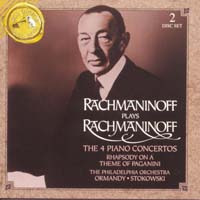
ALBUM NOTESFrom intro to finale: what Rhapsody On A Theme Of Paganini / Piano Concerto N delivers
Rhapsody On A Theme Of Paganini / Piano Concerto N- Album Overview
Sergei Rachmaninoff's "Rhapsody on a Theme of Paganini" and "Piano Concerto No. 3 in D minor, Op. 30" are two of his most celebrated works, encapsulating the Russian composer's deep romanticism and virtuosic brilliance. Released in 1934 on the RCA Victor label, this album showcases Rachmaninoff's exceptional skill as both a composer and pianist. The "Rhapsody on a Theme of Paganini," a set of 24 variations on a theme by Paganini, is particularly famous for its 18th variation, which has become a staple in popular culture and is often performed independently. Meanwhile, the "Piano Concerto No. 3," composed in 1909, is renowned for its technical challenges and emotional depth, earning it a revered place in the concert repertoire.
This recording features prominent soloists and orchestras, often including distinguished conductors and orchestras such as the Philadelphia Orchestra under the baton of Eugene Ormandy. The album has gained significant acclaim over the years, highlighting Rachmaninoff's unique ability to blend lyrical melodies with intricate harmonies. The recording’s production quality reflects the high standards of the time, allowing listeners to appreciate the rich textures of orchestral accompaniment alongside the piano's formidable presence. The album's cultural significance extends beyond classical music, influencing numerous artists across genres and appearing in films and television, thus solidifying Rachmaninoff’s legacy in modern music.
Review
Listening to "Rhapsody on a Theme of Paganini / Piano Concerto No. 3" is an immersive experience that showcases Rachmaninoff's masterful blend of technical prowess and emotional depth. The Rhapsody opens with a playful yet poignant introduction that sets the stage for dazzling variations, each exploring the theme's nuances while allowing the pianist to shine. The 18th variation stands out with its hauntingly beautiful melody, evoking a sense of longing that resonates deeply with listeners.
In contrast, the "Piano Concerto No. 3" explodes with energy from the first movement, characterized by its rapid tempo and complex rhythms. The dialogue between the piano and orchestra is masterfully crafted, showcasing Rachmaninoff's understanding of both instruments. The second movement offers a serene interlude, allowing for introspection before the finale unleashes a whirlwind of emotion and technical brilliance. Overall, the album exemplifies Rachmaninoff's artistic vision, marrying technical challenges with rich emotional content that appeals to both musicians and audiences alike.
Highlights
- Exceptional interplay between piano and orchestra, highlighting Rachmaninoff’s compositional genius.
- The iconic 18th variation of the Rhapsody stands as a pinnacle of lyrical beauty.
- The emotional depth and technical virtuosity of the Piano Concerto No. 3 captivate throughout.
Weak points
- The complexity of the music may be daunting for casual listeners unfamiliar with classical compositions.
- Some variations in the Rhapsody may feel less engaging compared to the more famous themes.
- Due to its popularity, certain performances can sometimes lack the freshness of interpretation.
Overall evaluation
Rachmaninoff's "Rhapsody on a Theme of Paganini / Piano Concerto No. 3" remains a monumental work in the classical repertoire, celebrating the beauty of melody intertwined with technical brilliance. This album is essential for both classical music enthusiasts and newcomers alike, offering a profound listening experience that resonates through the ages.
Personal rating: 9/10