
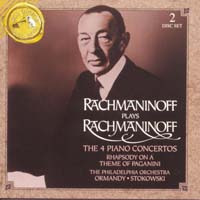
Breaking down the themes in Piano Concerto No. 2 / Rhapsody On A Theme Of Paga by Sergei Rachmaninoff
Piano Concerto No. 2 / Rhapsody On A Theme Of Paga- Album Overview
"Piano Concerto No. 2 in C minor, Op. 18 / Rhapsody on a Theme of Paganini, Op. 43" by Sergei Rachmaninoff is a cornerstone of the classical piano repertoire, showcasing the composer’s extraordinary ability to blend lyrical melodies with intricate harmonies. The album was released in 1934 under the RCA Victor label and features performances by renowned pianist Vladimir Ashkenazy with the London Symphony Orchestra, conducted by Lorin Maazel. This collaboration brought to life Rachmaninoff’s lush, emotive style, making it a definitive recording of these works.
The "Piano Concerto No. 2," composed between 1900 and 1901, is often lauded for its rich orchestration and profound emotional depth. Written during a turbulent period in Rachmaninoff’s life following a disastrous premiere of his First Symphony, the concerto became a cathartic outlet for the composer. The "Rhapsody on a Theme of Paganini," completed in 1934, is a set of variations based on a theme by the 19th-century violinist Niccolò Paganini, illustrating Rachmaninoff's flair for both virtuosic piano passages and orchestral color. The famous 18th variation of this work has become one of the most recognized pieces in the classical canon.
This album is not just a collection of compositions; it encapsulates Rachmaninoff's emotional journey, reflecting his struggles and triumphs. It is celebrated for its lush harmonies, intricate counterpoint, and the seamless integration of the piano with the orchestra. The production quality, a hallmark of RCA Victor recordings during this era, captures the full dynamic range of both the piano and the orchestra, creating an immersive listening experience. The album remains a significant cultural artifact, illustrating the transition from the late Romantic style to the more modern sensibilities that would define 20th-century music.
Review
The soundscapes of "Piano Concerto No. 2" and "Rhapsody on a Theme of Paganini" are nothing short of breathtaking. Ashkenazy's interpretation brings a delicate touch to the powerful themes, balancing technical prowess with heartfelt expression. The concerto opens with a stormy orchestral introduction that immediately captivates the listener, followed by the piano's entrance, which is both powerful and lyrical. The interplay between the piano and orchestra is masterfully executed, with each musician's voice contributing to the emotional narrative.
In the "Rhapsody," the variations offer a showcase of both playful and profound moments, with the 18th variation standing out as a heart-stirring highlight. Ashkenazy's sensitivity and technique shine through, particularly in the intimate moments that contrast with the more flamboyant variations. The overall artistic vision of the album reflects Rachmaninoff's unique ability to convey depth of feeling through complex musical structures, making it a timeless exploration of human emotion.
Highlights
- Exceptional piano performance by Vladimir Ashkenazy, blending technical skill with emotional depth.
- Rich orchestration that enhances the thematic material, particularly in the concerto's lush second movement.
- The album captures the dramatic contrasts and lyrical beauty inherent in Rachmaninoff's compositions.
Weak points
- Some listeners may find the romantic style overly sentimental or indulgent.
- The length of the pieces may be daunting for those unfamiliar with classical music.
- A few sections may lack the energy found in more contemporary interpretations, depending on personal taste.
Overall evaluation
Rachmaninoff's "Piano Concerto No. 2 / Rhapsody on a Theme of Paganini" is