

Edvard Grieg – Peer Gynt-suiten 1 & 2 / Sigurd Jorsalfar: track-by-track perspective
Peer Gynt-suiten 1 & 2 / Sigurd Jorsalfar- Album Overview
Edvard Grieg's "Peer Gynt-suiten 1 & 2 / Sigurd Jorsalfar" is a remarkable collection that showcases some of the Norwegian composer's most beloved works. Released in 1903, this album features orchestral suites drawn from his incidental music for Henrik Ibsen's play "Peer Gynt" and the music for Bjørnstjerne Bjørnson's play "Sigurd Jorsalfar." Grieg's music captures the essence of Norwegian folk traditions while blending them with the romantic styles prevalent during his time.
The "Peer Gynt" suites comprise two parts: Suite No. 1, Op. 46, and Suite No. 2, Op. 55. The first suite features iconic movements such as "Morning Mood" and "In the Hall of the Mountain King," which have become staples in classical music repertoire. The second suite continues this legacy with pieces like "Anitra's Dance" and "Solveig's Song," each rich in melodic beauty and emotional depth.
Recorded under the prestigious Deutsche Grammophon label, this collection is often praised for its clarity and vibrant orchestration. Collaborators on the album include renowned conductors and orchestras that have brought Grieg's works to life through dynamic interpretations. Over the years, these pieces have transcended their original theatrical context, becoming integral to the concert repertoire and popular culture, often featured in films, commercials, and television shows.
The combination of Grieg's lyrical melodies and the lush orchestral textures creates an immersive listening experience, making this album an essential addition to any classical music enthusiast's collection. The cultural significance of these suites lies not only in their musical innovation but also in how they represent Norwegian identity and heritage on the world stage.
Review
This album presents Edvard Grieg's gift for melody and orchestration in a compelling manner. The arrangement of "Peer Gynt" suites is particularly noteworthy; each movement flows seamlessly into the next, maintaining a cohesive narrative thread that captures the listener's imagination. The "Morning Mood" sets a serene atmosphere, while "In the Hall of the Mountain King" builds tension with its driving rhythms and climactic moments.
The "Sigurd Jorsalfar" music, while less known, offers a deeper insight into Grieg's ability to convey story and character through music. This work highlights his mastery of orchestral color and thematic development. The performances are typically robust, characterized by expressive interpretations that breathe life into Grieg's intricate scores.
However, the album's greatest strength lies in its ability to transport listeners to a different time and place, evoking the landscapes and folklore of Norway. The emotional resonance of Grieg’s compositions invites reflection and reverie, making this album not just a collection of pieces but a profound auditory experience.
Highlights
- Memorable and iconic melodies that resonate with classical music lovers.
- Rich orchestration that showcases Grieg's ability to blend folk elements with classical traditions.
- Cohesive presentation of both the "Peer Gynt" and "Sigurd Jorsalfar" works, enhancing the listener's experience.
Weak points
- Some listeners may find the "Sigurd Jorsalfar" pieces less engaging compared to the "Peer Gynt" suites.
- The album may not appeal to those who prefer contemporary compositions over classical orchestral works.
- Occasional recordings may lack the dynamic range found in more modern productions.
Overall evaluation
Edvard Grieg’s "Peer Gynt-suiten 1 & 2 / Sigurd Jorsalfar" remains a timeless masterpiece that encapsulates the essence of Nordic culture through its rich melodies
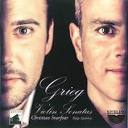 1990Violin Sonatas
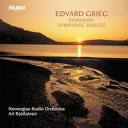 1989Symphony
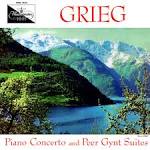 1965Peer Gynt