
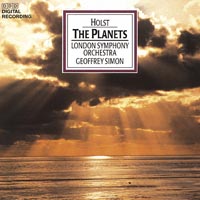
First impressions of Gustav Holst – Holst Conducts The Planets
Holst Conducts The Planets- Album Overview
"Holst Conducts The Planets" is a historic recording of the iconic orchestral suite, "The Planets," composed by Gustav Holst himself. Released in 1923, this album is noteworthy not only for its content but also for its unique context; it captures Holst's own interpretation of his most famous work. Recorded for the HMV label, this version of "The Planets" provides listeners with a rare opportunity to hear the composer conducting his own music, adding an authentic layer to the performance that is often sought after but seldom achieved in classical recordings.
The album features all seven movements of "The Planets," each named after a Roman god and characterized by distinct musical themes. Holst's innovative orchestration, which incorporates a wide range of instruments and musical styles, reflects the influences of both Impressionism and early 20th-century classical music. Collaborating with the London Symphony Orchestra, Holst managed to bring his vision to life, creating a soundscape that is both expansive and detailed.
As a cultural touchstone, "The Planets" has captivated audiences worldwide, influencing not only classical music but also film scores and popular music genres. The recording has been remastered and reissued several times, allowing new generations to experience Holst's groundbreaking work. Tracks such as "Jupiter, the Bringer of Jollity" and "Mars, the Bringer of War" have become staples of the classical repertoire, celebrated for their emotional depth and orchestral brilliance. The album serves as a testament to Holst’s enduring legacy and the timelessness of his compositions.
Review
The sound of "Holst Conducts The Planets" is strikingly vivid, capturing the nuances of Holst's orchestration with remarkable clarity. From the powerful brass fanfare in "Mars" to the ethereal harmonies in "Venus," Holst’s own conducting style brings a unique interpretative angle to the suite. The pacing and dynamics throughout the album reflect his intimate understanding of the material, ensuring that each movement resonates with both power and subtleness.
While the album is primarily instrumental, the music conveys a profound emotional narrative that transcends the absence of lyrics. Holst’s artistic vision becomes apparent as he weaves together themes of war, peace, and the celestial, creating a musical portrayal of the planets that is both imaginative and evocative. The recording demonstrates Holst's innovative use of rhythm, harmony, and orchestral color, making it a significant contribution to early 20th-century music.
Highlights
- Authentic interpretation by the composer himself adds depth to the performance.
- Stunning orchestration that showcases Holst's innovative use of instruments.
- Timeless themes that resonate with audiences across generations.
Weak points
- Some may find the recording quality dated compared to modern standards.
- The tempo in certain movements may feel less dynamic by today's performance practices.
- Lack of additional contextual information or liner notes in some editions.
Overall evaluation
"Holst Conducts The Planets" is a remarkable historical recording that allows listeners to connect with the music on a deeper level through the composer's own interpretation. Despite some limitations in sound quality, the album remains a vital and inspiring representation of Holst's genius.
Personal rating: 8/10 1981The Planets, Op. 32