The Planets / Suite De Ballet, Op. 10- Album Overview
Gustav Holst's "The Planets" is a monumental suite composed between 1914 and 1917, and was first performed in 1918. The work is renowned for its innovative orchestration and is widely considered one of the most significant achievements in 20th-century orchestral music. The suite consists of seven movements, each named after a planet in the solar system and its corresponding astrological character, with the exception of Earth. Holst's unique approach to rhythm and harmony, along with his incorporation of various musical styles, particularly draws from English folk music and Eastern influences.
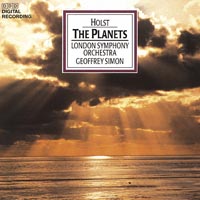
The recording of "The Planets" has been released by various labels over the years, with notable recordings featuring orchestras such as the London Symphony Orchestra and the Boston Symphony Orchestra. The themes of war, peace, and human emotion resonate throughout the movements, making it a culturally impactful work that has been used in countless films, television shows, and commercials, solidifying its place in popular culture.
Coupled with "Suite De Ballet, Op. 10," which was composed in 1913 and showcases Holst's early stylistic development, this album presents a rich tapestry of Holst's musical evolution. The ballet suite is characterized by its fluidity and charm, reflecting Holst's interest in dance forms and rhythmic complexity. The album not only illustrates Holst's artistic vision but also highlights his collaborative efforts with various musicians and conductors throughout the years, further enriching the listening experience.
Review
Holst’s "The Planets" stands as a landmark in orchestral music, with each movement presenting a distinct character and emotional landscape. The opening movement, "Mars, the Bringer of War," is powerful and foreboding, employing martial rhythms that evoke images of conflict and strife. In contrast, "Venus, the Bringer of Peace" offers a serene and lush soundscape, showcasing Holst's ability to create contrasting atmospheres within the suite.
The orchestration is masterful, with Holst employing a large orchestra that includes unusual instruments like the celesta and saxophone, which add to the color and texture of the music. The rhythmic drive and dynamic contrasts drive the listener through an emotional journey, reflecting the broader human experience.
"Suite De Ballet, Op. 10" complements "The Planets" with its lighter, more whimsical character. While it lacks the dramatic weight of its companion piece, it is an essential part of understanding Holst's depth as a composer. The melodies are engaging, and the ballet's dance-like quality brings a joyful energy, making this album a multifaceted listening experience.
Highlights
- Innovative orchestration that captivates the listener.
- Emotional depth and contrasting moods across the movements.
- The cultural and historical significance of "The Planets" in modern media.
Weak points
- Some may find "Suite De Ballet, Op. 10" less impactful compared to "The Planets."
- The length of "The Planets" may be daunting for casual listeners.
- Occasional overuse of thematic material may lead to predictability in certain sections.
Overall evaluation
Gustav Holst's "The Planets / Suite De Ballet, Op. 10" is a remarkable exploration of orchestral sound and human emotion, melding innovative techniques with timeless themes. While not every listener may resonate equally with the ballet suite, the overarching impact and brilliance of "The Planets" make this album a must-listen for classical music enthusiasts and newcomers alike.
Personal rating: 9/10

 1981The Planets, Op. 32