
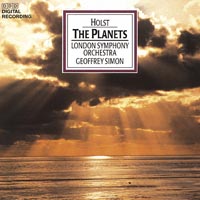
Gustav Holst – Music Of England: track-by-track perspective
Music Of England- Album Overview
"Music Of England," released in 1953, is a notable compilation that features the works of Gustav Holst, an influential English composer best known for his orchestral suite "The Planets." This album, released under the Decca label, serves as a homage to the rich tapestry of English musical traditions and showcases Holst's deep appreciation for folk music and choral traditions. The recording features various orchestras and choirs, highlighting Holst's ability to weave together different musical elements, from orchestral arrangements to vocal harmonies.
The album includes several prominent pieces such as "Hymn of Jesus," "The Planets," and selections from "Egdon Heath," which reflect Holst's fascination with nature and spirituality. Holst's collaborations with notable musicians and conductors of the time, including the London Symphony Orchestra, enriched the album's sound and brought his compositions to life. The album was well received for its orchestral depth and choral clarity, capturing the essence of English music in the mid-20th century.
Culturally, "Music Of England" holds significance as it encapsulates a period of British identity in music, post-World War II, when there was a resurgence in national pride and a revival of traditional music forms. The album stands as a testament to Holst's genius in merging classical music with elements of English folk traditions, making it a timeless piece in the classical music repertoire.
Review
This album is a rich tapestry of sound that showcases Gustav Holst's mastery in orchestration and his deep understanding of English musical heritage. The compositions are marked by their lyrical beauty and intricate arrangements, which often evoke a sense of nostalgia and connection to the English landscape. Holst's use of choral elements, particularly in pieces like "Hymn of Jesus," demonstrates his ability to blend human voices with orchestral music seamlessly, creating a profound emotional resonance.
The orchestral works are characterized by lush harmonies and innovative rhythms, underpinned by Holst's keen sense of melody. Each track invites the listener to experience a journey through the textures of English music, marrying the traditional with the avant-garde. Holst's artistic vision was not only to celebrate English music but also to explore the broader themes of humanity and nature, making "Music Of England" a reflective and engaging listening experience.
Highlights
- Rich orchestral textures that evoke the English landscape.
- Seamless blend of choral and orchestral elements, particularly in "Hymn of Jesus."
- Musical exploration of themes of nature and spirituality.
Weak points
- Some tracks may feel dated to contemporary listeners.
- Lack of diversity in compositional styles across the album.
- Limited appeal for those unfamiliar with classical music.
Overall evaluation
"Music Of England" is a compelling collection that showcases Gustav Holst's remarkable talent and the beauty of English music. While it may not resonate with every contemporary audience, its artistic depth and historical significance are undeniable.
Personal rating: 8/10 1981The Planets, Op. 32