Bbc Music, Volume 5, Number 1: The Planets- Album Overview
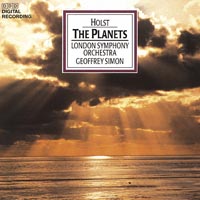
The album "BBC Music, Volume 5, Number 1: The Planets" features Gustav Holst's iconic orchestral suite, "The Planets," which was composed between 1914 and 1917. Released in 2001 under the BBC Music label, this album presents one of the most celebrated works in the classical music repertoire. Holst's "The Planets" consists of seven movements, each named after a planet of the Solar System and its corresponding astrological character. The movements include "Mars, the Bringer of War," "Venus, the Bringer of Peace," "Mercury, the Winged Messenger," "Jupiter, the Bringer of Jollity," "Saturn, the Bringer of Old Age," "Uranus, the Magician," and "Neptune, the Mystic."
This particular recording features the London Philharmonic Orchestra, conducted adeptly by the renowned conductor, David Parry. The album showcases advanced sound engineering, capturing the dynamic range and intricate textures of Holst's orchestration, which combines rich harmonies with innovative rhythms. The release is significant not only for its historical context but also for its role in popularizing Holst's work in modern classical music circles. "The Planets" has influenced various genres, including film scores and popular music, underscoring its cultural impact. Additionally, the album features informative liner notes which provide insights into Holst's inspirations, including his interest in astrology and mythology, enriching the listener's experience.
Review
David Parry's interpretation of "The Planets" on this recording is nothing short of exhilarating. The London Philharmonic Orchestra delivers a powerful performance that captures the essence of Holst's vision. From the thunderous opening of "Mars" to the ethereal conclusion of "Neptune," the ensemble showcases a remarkable range of dynamics and emotional depth. The orchestration is lush and vibrant, with each movement painting vivid sonic landscapes that evoke the distinctive qualities of the planets themselves.
One of the standout features of this album is the careful attention to detail in the recording, allowing listeners to appreciate the intricate interplay between the different sections of the orchestra. The brass section shines in "Jupiter," while the strings create a haunting atmosphere in "Saturn." Holst's innovative use of instrumentation, including the ethereal female choir in "Neptune," adds a mystical quality that is beautifully rendered in this recording. Overall, Parry's direction brings a fresh perspective to this timeless work, making it both accessible to new listeners and satisfying for seasoned fans of classical music.
Highlights
- Dynamic and powerful orchestral performance by the London Philharmonic Orchestra.
- Exceptional sound quality and engineering that enhances the listening experience.
- Richly informative liner notes providing context and insight into Holst's inspirations.
Weak points
- The album may not include additional contextual pieces or commentary from Holst's contemporaries.
- Some listeners might prefer a different interpretation or conducting style.
- The length of the album may be a consideration for casual listeners, as it requires full attention to appreciate.
Overall evaluation
"BBC Music, Volume 5, Number 1: The Planets" is a compelling and beautifully executed recording that brings Holst's masterwork to life. Parry and the London Philharmonic Orchestra deliver an interpretation that resonates with both clarity and emotional impact, making this album a must-have for classical music enthusiasts.
Personal rating: 9/10

 1981The Planets, Op. 32