ALBUM NOTESWhy Gustav Holst's The Planets / The Perfect Fool matters
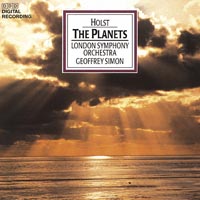
The Planets / The Perfect Fool- Album Overview
Gustav Holst's "The Planets," composed between 1914 and 1917, stands as one of the most significant orchestral works of the early 20th century. Released in various forms, the most famous recording was issued by the London Symphony Orchestra in 1945 under the label Mercury Records. This monumental suite is structured in seven movements, each named after a planet and its corresponding astrological character: "Mars, the Bringer of War," "Venus, the Bringer of Peace," "Mercury, the Winged Messenger," "Jupiter, the Bringer of Jollity," "Saturn, the Bringer of Old Age," "Uranus, the Magician," and "Neptune, the Mystic." Holst’s fascination with astrology and the influence of the cosmos on human emotion and behavior inform the piece's rich thematic material.
Alongside "The Planets," Holst’s "The Perfect Fool," a lesser-known opera completed in 1923, adds depth to the album. This work reflects Holst's command of orchestration and his continued exploration of mythological themes. The album features prominent collaborators, including conductor Adrian Boult, who played a key role in the premiere of "The Planets." The cultural significance of these works lies in their ability to evoke imagery and emotion akin to the celestial bodies they represent, influencing countless composers and permeating popular culture. Holst's music has been utilized in film scores and commercials, further cementing its legacy. The album captures the essence of Holst's innovative spirit and his quest to marry music with the metaphysical.
Review
Holst's "The Planets" is an exhilarating journey through the solar system, where each movement articulates distinct emotional landscapes. The rhythmic intensity of "Mars" creates an immediate sense of urgency and foreboding, a reflection of the tumultuous times during its composition, namely World War I. In contrast, "Venus" offers a serene and lush landscape, showcasing Holst's lyrical prowess. The album's orchestration is masterful, with rich textures and innovative use of instruments that were avant-garde at the time.
"The Perfect Fool" complements the suite with its whimsical and satirical narrative, demonstrating Holst's versatility as a composer. While the work may not reach the same heights of popularity as "The Planets," it provides a fascinating glimpse into Holst's broader artistic vision. The juxtaposition of the two works on the album creates a dynamic listening experience that reflects both the grandeur and the folly of human existence, making it an enduring piece of art that resonates with audiences even today.
Highlights
- Innovative orchestration that paved the way for future composers.
- Rich emotional depth and thematic diversity across movements.
- Cultural impact, influencing various media and genres beyond classical music.
Weak points
- The Perfect Fool may lack the widespread recognition of The Planets.
- Some movements of The Planets can feel dated to modern listeners.
- Limited appeal for those not inclined towards orchestral music.
Overall evaluation
Holst’s "The Planets / The Perfect Fool" remains a monumental achievement in classical music, showcasing his innovative spirit and deep thematic explorations. The album not only entertains but also invites listeners to ponder the cosmic forces that influence our lives.
Personal rating: 9/10

 1981The Planets, Op. 32