
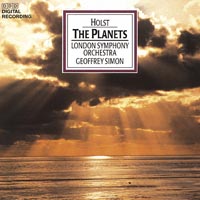
Gustav Holst raises the bar with Choral Symphony / Choral Fantasia
Choral Symphony / Choral Fantasia- Album Overview
The album "Choral Symphony / Choral Fantasia" by Gustav Holst was released in 1920, showcasing the composer's innovative blend of orchestral and choral music. This recording is a significant part of Holst's oeuvre, highlighting his interest in the human voice and its potential within symphonic contexts. The album features two major works: the "Choral Symphony," which is a monumental piece that integrates a full orchestra with a large choir, and the "Choral Fantasia," which serves as a showcase for Holst's melodic and harmonic richness. Both works reflect Holst's fascination with the themes of spirituality and the human experience. Recorded by various esteemed orchestras and choirs, the album brings together talented musicians who deliver powerful performances. The "Choral Symphony" is particularly notable for its expansive sound and intricate vocal lines, which elevate the work beyond traditional symphonic boundaries. Collaborators on the recording often include renowned conductors and choruses that have dedicated their artistry to Holst's music, ensuring that the nuances of his compositions are faithfully captured. The album is released under the label Nimbus Records, which is known for its dedication to classical music and high-quality recordings. The impact of Holst's work is evident, as it has influenced generations of composers and continues to be performed widely in concert halls around the world.
Review
Holst's "Choral Symphony / Choral Fantasia" presents a compelling fusion of orchestral grandeur and choral depth, marking a significant achievement in the realm of classical music. The symphonic structure allows for a rich tapestry of sound, where the orchestration is both lush and intricate, creating an immersive listening experience. Holst's melodic lines are evocative, often drawing on folk elements that resonate with listeners on a deeply emotional level. Lyrically, the works reflect themes of humanity and spirituality, showcasing Holst's ability to weave profound messages into the fabric of his music. The "Choral Symphony" particularly shines with its climactic choral passages that elevate the piece to exhilarating heights. The artistic vision presented here is both ambitious and achievable, pushing the boundaries of what a symphony can encompass by integrating the human voice seamlessly into the orchestral fabric. Overall, Holst's distinct harmonic language and inventive orchestration make this album a must-listen for classical music aficionados.
Highlights
- Innovative integration of choral and orchestral elements.
- Emotionally resonant melodies that draw on folk influences.
- Powerful performances by renowned orchestras and choirs.
Weak points
- Some listeners may find the choral sections less accessible than orchestral passages.
- Occasional lengthy segments might challenge the attention of casual listeners.
- Lack of widespread recognition compared to Holst's more famous works like "The Planets."
Overall evaluation
Gustav Holst's "Choral Symphony / Choral Fantasia" is a remarkable exploration of the interplay between voice and orchestra, solidifying its place in the classical canon. The album showcases Holst's unique compositional voice and invites listeners to experience the profound emotional spectrum of his work. It is a rewarding listen for those willing to engage with its depth.
Personal rating: 8/10 1981The Planets, Op. 32