Biography
George Gershwin: history and sound
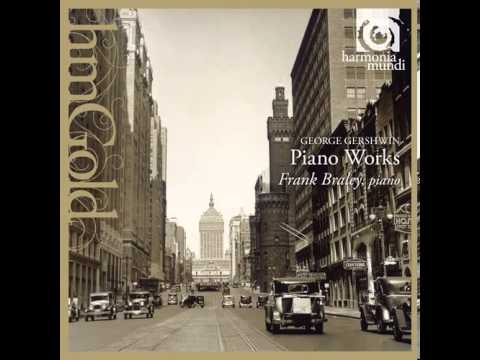
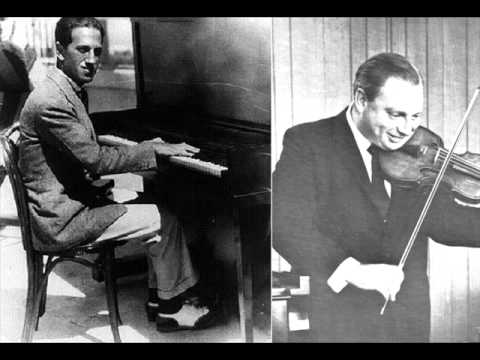
George Gershwin (-???r?.w?n-, September 26, 1898 – July 11, 1937) was an American composer and pianist.
The Life and Legacy of George Gershwin: A Journey Through the Best of His Music
If you're a lover of jazz and American music, you cannot deny the incredible impact of George Gershwin in creating the quintessential sound of that era. With his iconic compositions and innovative approach to music, Gershwin became one of the most significant figures of the 20th century. In this article, we'll take a deep dive into the life and legacy of George Gershwin, his best songs, his music genre, best concerts, and even a critic. Keep reading to discover more about this legendary composer.
Born in Brooklyn in 1898, George Gershwin showed musical talent at a young age, and his parents quickly recognized his gift. They enrolled him in music lessons, hoping that he would become a professional pianist. By the time he was a teenager, he had started composing his songs and had already gained recognition in the music industry. Gershwin's music was a unique blend of classical music and jazz, and he became known for his ability to create unusual harmonies and melodies.
One of Gershwin's most famous compositions is Rhapsody in Blue. It premiered in 1924 and quickly became one of the most popular pieces of music of the era. Gershwin composed this song in just three weeks, and it beautifully expresses the sounds of New York City, where he lived. Summertime, from the opera Porgy and Bess, is also one of Gershwin's most iconic songs. It is a poignant and beautiful piece that shows Gershwin's incredible range as a composer.
Gershwin's music genre includes classical music, jazz, and musical theater. He worked with his brother Ira Gershwin to create some of the most memorable songs in American musical theater. The Gershwin brothers' most famous musical is Porgy and Bess, which premiered in 1935. This opera tells the story of African American life in the South, and its music is a powerful mixture of blues, jazz, and classical music.
Gershwin's most famous concert is the one he gave in 1928 in New York's Carnegie Hall. This concert featured a performance of Rhapsody in Blue as well as several other Gershwin classics. It was an enormous commercial success and cemented Gershwin's place in American musical history. A critic noted his interesting harmonies and rhythms, which made his music more than just entertainment but an expression of the American way of life.
In conclusion, George Gershwin was a musical genius who made an indelible impact on American music. His compositions continue to influence artists today, proving that his music is timeless and forever relevant. The best songs of George Gershwin will always evoke a feeling of nostalgia and transport us to a bygone era, where jazz was king, and the music was full of innovation and passion. We hope you've enjoyed this journey through Gershwin's life and musical legacy. So, hit play on your favorite Gershwin track, sit back, and let the music take you on a vivid journey through time, transforming you to the Golden Era of Jazz.
The Life and Legacy of George Gershwin: A Journey Through the Best of His Music
If you're a lover of jazz and American music, you cannot deny the incredible impact of George Gershwin in creating the quintessential sound of that era. With his iconic compositions and innovative approach to music, Gershwin became one of the most significant figures of the 20th century. In this article, we'll take a deep dive into the life and legacy of George Gershwin, his best songs, his music genre, best concerts, and even a critic. Keep reading to discover more about this legendary composer.
Born in Brooklyn in 1898, George Gershwin showed musical talent at a young age, and his parents quickly recognized his gift. They enrolled him in music lessons, hoping that he would become a professional pianist. By the time he was a teenager, he had started composing his songs and had already gained recognition in the music industry. Gershwin's music was a unique blend of classical music and jazz, and he became known for his ability to create unusual harmonies and melodies.
One of Gershwin's most famous compositions is Rhapsody in Blue. It premiered in 1924 and quickly became one of the most popular pieces of music of the era. Gershwin composed this song in just three weeks, and it beautifully expresses the sounds of New York City, where he lived. Summertime, from the opera Porgy and Bess, is also one of Gershwin's most iconic songs. It is a poignant and beautiful piece that shows Gershwin's incredible range as a composer.
Gershwin's music genre includes classical music, jazz, and musical theater. He worked with his brother Ira Gershwin to create some of the most memorable songs in American musical theater. The Gershwin brothers' most famous musical is Porgy and Bess, which premiered in 1935. This opera tells the story of African American life in the South, and its music is a powerful mixture of blues, jazz, and classical music.
Gershwin's most famous concert is the one he gave in 1928 in New York's Carnegie Hall. This concert featured a performance of Rhapsody in Blue as well as several other Gershwin classics. It was an enormous commercial success and cemented Gershwin's place in American musical history. A critic noted his interesting harmonies and rhythms, which made his music more than just entertainment but an expression of the American way of life.
In conclusion, George Gershwin was a musical genius who made an indelible impact on American music. His compositions continue to influence artists today, proving that his music is timeless and forever relevant. The best songs of George Gershwin will always evoke a feeling of nostalgia and transport us to a bygone era, where jazz was king, and the music was full of innovation and passion. We hope you've enjoyed this journey through Gershwin's life and musical legacy. So, hit play on your favorite Gershwin track, sit back, and let the music take you on a vivid journey through time, transforming you to the Golden Era of Jazz.