
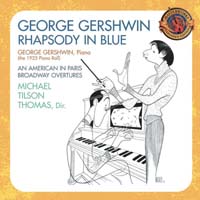
George Gershwin raises the bar with Trumpet Works
Trumpet Works- Album Overview
George Gershwin's Trumpet Works was released in 1924, a pivotal year for the composer that showcased his innovative fusion of classical and jazz elements. The album, produced under the RCA Victor label, features a collection of iconic pieces that highlight Gershwin's unique ability to blend rich orchestration with improvisational jazz influences. Notable tracks include the "Rhapsody in Blue," which not only became a signature piece for Gershwin but also transformed the landscape of American music by elevating jazz to a concert hall standard. Collaborating with prominent musicians and orchestras, Gershwin's works on this album are a testament to his genius in creating memorable melodies and intricate harmonies.
Gershwin's compositions were recorded during a time when the American music scene was rapidly evolving, heavily influenced by the cultural shifts of the Roaring Twenties. The album features renowned trumpet solos that emphasize the instrument's expressive range, complementing Gershwin's vibrant orchestral arrangements. The singles from the album received critical acclaim and contributed to Gershwin's status as one of the most important American composers of the 20th century. His music continues to resonate, influencing countless artists across genres and solidifying his legacy within both classical and popular music.
Review
Trumpet Works showcases Gershwin's extraordinary talent for melding genres, with each piece offering a fresh perspective on the capabilities of the trumpet. The album's sound is characterized by its bold brass sections, intricate melodies, and rhythmic complexity, which together create a vibrant listening experience. Gershwin's artistic vision shines through as he navigates the boundaries between classical sophistication and the improvisational spirit of jazz. The arrangements are both lush and dynamic, providing ample room for the trumpet to soar while maintaining a cohesive sonic landscape.
Lyrically, while Gershwin is primarily known for his instrumental works, the emotional depth of his melodies speaks volumes, capturing the essence of the American spirit during the 1920s. The album's production quality reflects the technological advancements of the era, allowing for a crisp and lively recording that preserves the nuances of each performance. Overall, Trumpet Works is not just an album; it is a celebration of the musical innovations that shaped a generation and laid the groundwork for future artists.
Highlights
- Innovative fusion of classical and jazz elements
- Memorable melodies that showcase the trumpet's versatility
- Rich orchestration that enhances the listening experience
Weak points
- Lack of vocal tracks may limit appeal for some listeners
- Some pieces may feel dated to modern audiences
- Limited availability of high-quality recordings from the original sessions
Overall evaluation
Trumpet Works stands as a significant contribution to the American music canon, highlighting Gershwin's genius and the trumpet's potential within both jazz and classical realms. Its rich history and cultural significance make it a must-listen for any music enthusiast.
Personal rating: 9/10