
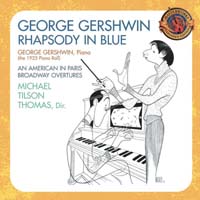
George Gershwin – George Gershwin Plays George Gershwin: a sonic journey
George Gershwin Plays George Gershwin- Album Overview
"George Gershwin Plays George Gershwin" is a landmark album released in 1950, showcasing the genius of American composer George Gershwin. This album is particularly unique as it features Gershwin himself performing his most beloved compositions, offering listeners a rare glimpse into the artist's interpretative style. Recorded by Columbia Records, the album includes a selection of Gershwin's timeless works, such as "Rhapsody in Blue," "Concerto in F," and "An American in Paris." Each piece reflects his innovative blend of classical and jazz influences, which would go on to define the sound of American music in the 20th century. The recordings were made in the late 1930s and early 1940s, capturing Gershwin at the height of his creative powers. Collaborating with noted orchestras and musicians, Gershwin infused his performances with a vibrancy that resonated with audiences, making his compositions accessible and relatable. The album's significance extends beyond mere entertainment; it represents a cultural moment where jazz was becoming an integral part of the American classical music identity. Gershwin's work has influenced countless artists across genres, and this album serves as a testament to his lasting legacy in music history.
Review
The sound of "George Gershwin Plays George Gershwin" is a delightful blend of exuberance and sophistication. Gershwin’s piano playing is both technically accomplished and emotionally engaging. His interpretations of his compositions capture the essence of his vision—each note played with a deep understanding of the musical narrative. The orchestration complements his piano beautifully, creating a rich tapestry of sound that showcases not only Gershwin's skills as a composer but also his talents as a performer. Lyrically, Gershwin's works often explore themes of American life, love, and aspiration. While the album primarily focuses on instrumental pieces, the emotional weight of his melodies speaks volumes. The artistic vision behind this album is clear: Gershwin aimed to bridge the gap between classical music and popular jazz, and in doing so, he created a new musical language that continues to resonate today. The album stands as a sonic journey through the heart of American music, celebrating the diversity and richness of its cultural landscape.
Highlights
- Gershwin's masterful piano technique and expressive playing.
- The seamless integration of jazz elements into classical compositions.
- The album's cultural significance in bridging the gap between classical and popular music.
Weak points
- Limited variety in the selection of compositions, primarily focusing on well-known pieces.
- The recording quality, while a product of its time, may not meet modern audiophile standards.
- Some listeners may prefer orchestral interpretations over solo piano renditions.
Overall evaluation
"George Gershwin Plays George Gershwin" is an essential listen for anyone interested in the evolution of American music. It not only showcases Gershwin's extraordinary talent but also serves as a historical document of a pivotal moment in music history. Although it has minor drawbacks, the album's strengths far outweigh them, making it a remarkable tribute to one of America's greatest composers.
Personal rating: 9/10