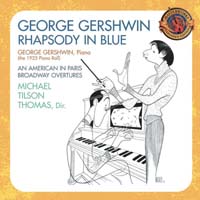
ALBUM NOTESGershwin: Rhapsody In Blue/an American In Paris: exploring the world of George Gershwin
Gershwin: Rhapsody In Blue/an American In Paris- Album Overview
George Gershwin's works have long been celebrated as quintessential representations of the American musical landscape, and the album "Gershwin: Rhapsody In Blue/an American In Paris" serves as a remarkable showcase of his genius. Released in 1959 by Columbia Records, this album features two of Gershwin's most iconic compositions: "Rhapsody in Blue," originally composed in 1924, and "An American in Paris," written in 1928. The album has been recorded by various artists, but this particular version is notable for its lush orchestration and the talented performers who bring the music to life.
"Rhapsody in Blue" is characterized by its innovative blend of classical music and jazz, a reflection of the cultural melting pot of early 20th-century America. The piece was famously commissioned by bandleader Paul Whiteman and premiered in a concert titled "An Experiment in Modern Music." "An American in Paris," on the other hand, is a symphonic poem that captures the essence of a young American's experience in Paris, with its vibrant rhythms and evocative melodies.
This album features a stellar orchestral performance, often accompanied by renowned pianists and conductors who have interpreted Gershwin's works with both fidelity and creativity. The collaborations on this album are significant, as they represent a bridge between classical and popular music, showcasing Gershwin's ability to transcend genres. The cultural significance of these pieces cannot be overstated, as they capture the spirit of the American experience, making them timeless classics that continue to resonate with audiences today.
Review
The album "Gershwin: Rhapsody In Blue/an American In Paris" is a testament to George Gershwin's unparalleled ability to fuse different musical styles. The sound is lush and vibrant, with the orchestration bringing out the nuances of each piece. The piano solos in "Rhapsody in Blue" are particularly noteworthy, showcasing the technical prowess of the pianist while maintaining the emotional core of the piece. The rhythmic complexity and lyrical beauty of "An American in Paris" further highlight Gershwin's skill in creating evocative musical narratives.
Artistically, the album presents a seamless blend of genres, which was revolutionary for its time. Gershwin's compositions reflect the jazz influences that permeated the early 20th century while still adhering to the classical tradition. The arrangements are rich and dynamic, allowing each instrument to shine while contributing to the overall tapestry of sound. While the music is primarily instrumental, the emotional depth conveyed through the melodies and harmonies transcends the need for lyrics, offering a profound listening experience.
Highlights
- The innovative fusion of jazz and classical elements.
- Rich orchestration that brings the compositions to life.
- Timeless melodies that resonate with both contemporary and classical audiences.
Weak points
- Some listeners may find the classical format less accessible than Gershwin's more popular songs.
- The length of the pieces may be daunting for those unfamiliar with orchestral music.
- Occasional variations in interpretation may not align with purist expectations of Gershwin's original vision.
Overall evaluation
"Gershwin: Rhapsody In Blue/an American In Paris" is a masterful representation of George Gershwin's legacy, brilliantly encapsulating the essence of American music. With its rich orchestration and innovative compositions, this album remains a vital part of the orchestral repertoire.
Personal rating: 9/10