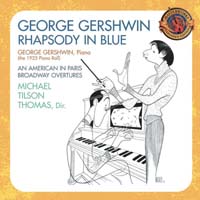
ALBUM NOTESExploring the sound of George Gershwin: Rhapsody In Blue, Piano Concerto In F, An American
Rhapsody In Blue, Piano Concerto In F, An American- Album Overview
Released in 1924, "Rhapsody In Blue, Piano Concerto In F, An American" is a landmark recording that encapsulates the genius of composer George Gershwin. This album, under the Columbia Records label, comprises some of Gershwin's most celebrated works, showcasing a fusion of classical music and jazz influences that were revolutionary at the time. The standout piece, "Rhapsody In Blue," was originally commissioned by bandleader Paul Whiteman for a concert titled "An Experiment in Modern Music." Gershwin's innovative approach within the piece melds the orchestral grandeur of classical music with the improvisational spirit of jazz, a reflection of America's cultural landscape in the early 20th century.
The recording features renowned pianist and conductor Leonard Bernstein, who brings a unique interpretative flair to the pieces. This collaboration not only highlights Gershwin's compositional prowess but also Bernstein's ability to bridge different musical genres. The album includes both the "Rhapsody In Blue" and the "Piano Concerto in F," both of which have gained significant acclaim and are frequently performed in concert halls around the world. Gershwin's works continue to influence countless musicians and composers, reflecting the dynamic and evolving nature of American music. The album serves not just as a collection of compositions but as a cultural artifact that marks a pivotal moment in the history of American music, bridging the gap between classical foundations and the burgeoning jazz movement.
Review
Gershwin's "Rhapsody In Blue" opens the album with an iconic clarinet glissando that sets the tone for a vibrant auditory journey. The blend of orchestral strings, brass, and woodwinds creates a lush soundscape that captures the spirit of New York City in the 1920s. The piece is both sophisticated and accessible, with moments of intricate melody juxtaposed against rhythmic jazz motifs. The "Piano Concerto in F," on the other hand, showcases Gershwin's classical training while still maintaining a distinctively American voice.
Bernstein's interpretation of these masterpieces is meticulous, breathing new life into Gershwin's original orchestrations. The emotional depth conveyed through the piano's dialogue with the orchestra is a testament to Gershwin's ability to evoke feelings of nostalgia and exuberance. While there are no lyrics to analyze, the music itself tells a story, reflecting the complexities of American identity during a time of great change. Gershwin's artistic vision is one of unity and innovation, making this album a crucial study for anyone interested in the evolution of music in America.
Highlights
- Seamless blend of classical and jazz elements, showcasing Gershwin's innovative style.
- Bernstein's captivating interpretation enhances the emotional depth of the compositions.
- The album serves as a historical document of American musical evolution and cultural identity.
Weak points
- Some listeners may find the orchestration dense compared to modern interpretations.
- The absence of vocal elements may limit appeal for those who prefer lyrical content.
- Occasional pacing issues in the "Piano Concerto in F" could disrupt the listening experience.
Overall evaluation
"Rhapsody In Blue, Piano Concerto In F, An American" is a remarkable album that exemplifies the brilliance of George Gershwin and the transitional phase of American music. Its cultural significance and artistic merit make it an essential listen for any music enthusiast.
Personal rating: 9/10