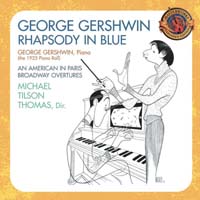
ALBUM NOTESRhapsodies: discovering George Gershwin's artistry
Rhapsodies- Album Overview
George Gershwin's "Rhapsodies," released in 1924, is a seminal work that showcases the composer’s innovative blend of classical music and jazz influences. This album features his iconic composition "Rhapsody in Blue," which premiered at a concert entitled “An Experiment in Modern Music” by Paul Whiteman. The piece was groundbreaking for its time, merging symphonic elements with the improvisational style of jazz. Gershwin's collaboration with notable musicians, including jazz clarinetist Benny Goodman and conductor Leonard Bernstein, has further amplified its significance in American music history.
The recording was released under the Columbia Records label, capturing Gershwin's bold orchestration and lush melodies that resonate with both classical and popular music audiences. Notably, "Rhapsody in Blue" was followed by "Concerto in F," which further solidified Gershwin’s reputation as a composer who could navigate multiple genres seamlessly. The album also includes "American in Paris," a piece that draws inspiration from Gershwin's travels in France and reflects the cultural exchanges of the time.
The impact of "Rhapsodies" extends beyond its initial release; it has become a cornerstone of American classical music, influencing countless artists and composers. Gershwin's ability to infuse his works with the vibrancy of American life and the complexities of jazz has left an indelible mark on the music landscape, making "Rhapsodies" a crucial study in the evolution of 20th-century music.
Review
Gershwin's "Rhapsodies" presents a masterful synthesis of diverse musical elements, with "Rhapsody in Blue" standing out as the centerpiece. The piece opens with a clarinet glissando that has become iconic, effectively setting the stage for a whirlwind of orchestral color. Gershwin's skillful piano playing, combined with the orchestral arrangement, creates a dialogue between the soloist and the ensemble that feels both spontaneous and meticulously crafted.
The album's tracks, particularly "Concerto in F," showcase Gershwin's ability to blend the rhythmic vitality of jazz with classical forms. The themes are memorable and infectious, demonstrating his knack for melody and harmony. However, the lyrics, while poignant in some pieces, can occasionally feel overshadowed by the lush instrumental arrangements.
Gershwin's artistic vision was not just to create music, but to encapsulate the American experience of his time. His works reflect the cultural melting pot of the early 20th century, combining elements of European classical traditions with the burgeoning American jazz scene. The album encapsulates this vision, making it not only a collection of music but also a historical document of a pivotal moment in American artistry.
Highlights
- Iconic compositions that blend classical and jazz seamlessly.
- Memorable melodies and intricate harmonies that resonate across generations.
- Historical significance as a reflection of American cultural identity in the early 20th century.
Weak points
- Some listeners may find the orchestration overly elaborate, overshadowing lyrical content.
- Limited availability of recordings from the original performances may hinder accessibility.
- Comparatively less focus on vocal pieces, which might disappoint fans of Gershwin's musicals.
Overall evaluation
"Rhapsodies" is a landmark album that captures the essence of George Gershwin's genius and his profound influence on American music. It is a must-listen for anyone interested in understanding the convergence of classical music and jazz.
Personal rating: 9/10