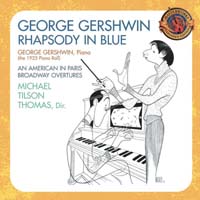
George Gershwin is considered one of the most influential American composers of all time, enjoyed by generations from his heyday era in the 1920s up until recent years. His enduring popularity owes mainly to his undeniable talent for creating timeless music that speaks to countless audiences. While there have been numerous critiques about Gershwin's life and works, it must be acknowledged that despite criticism which states he was a mere dabbler in classical music, many lesser-known but acutely beautiful pieces exist under the George Gershwin repertoire. In this post, we will take an immersive look at both sides of the coin - criticizing yet acknowledging aspects of George Gershwin's career and works - as we seek to gain a holistic understanding on why this composer has remained so treasured over time.
George Gershwin, an American composer and pianist, is a household name when it comes to music. His works have left a mark in the industry that has transcended several generations. From catchy jazz standards to soulful symphonic pieces, Gershwin's music continues to captivate audiences worldwide. Although his works have received various critiques, he remains a beloved figure in American music history. In this blog post, we will take a deeper look into the life and works of George Gershwin, his strengths and weaknesses, and why he is considered one of the most influential American composers of all time.
George Gershwin's music has been celebrated and criticized for several reasons. One of the primary critiques is that he was a dabbler in classical music and not an authentic composer. However, Gershwin's contributions to the development of symphonic jazz cannot be overlooked. His works, such as An American in Paris and Rhapsody in Blue, showcase his ability to blend classical music with jazz elements, creating a unique sound that has stood the test of time. Gershwin's compositions also appealed to both highbrow and lowbrow audiences, a feat not easily achieved by other composers.
Another criticism against Gershwin's works is that they were too commercial. His music was often used in films, advertisements, and on the radio, causing some to dismiss his works as mere entertainment, rather than serious musical pieces. However, it is essential to note that Gershwin had a unique gift for creating popular music that still held artistic value. His works have been performed by prestigious orchestras worldwide and have garnered critical acclaim throughout the years.
Despite Gershwin's legacy, it cannot be ignored that he was not without flaws. Many of his works, including Porgy and Bess, showcase a lack of sensitivity towards black culture and were perceived by many as racist and stereotypical. However, it is necessary to understand the historical context in which these works were created. Gershwin was writing during a time when racism and prejudice were prevalent in American society, and although his works may be problematic, they should be viewed as products of their time.
Another issue that has been brought up by critics is Gershwin's lack of formal music education. Some argue that his music would have been even better if he had undergone formal training. However, it is important to note that many of Gershwin's contemporaries, such as Duke Ellington and Jelly Roll Morton, did not have formal music training and still managed to make significant contributions to music.
George Gershwin's music has stood the test of time and continues to be enjoyed by audiences worldwide. While his works have faced various critiques, it is undeniable that he was one of the most influential American composers of all time. Gershwin demonstrated his ability to blend different genres of music, creating a unique sound that appealed to diverse audiences. His contributions to symphonic jazz and American popular music cannot be ignored. Gershwin's legacy is not without flaws, but it is crucial to understand the historical context and appreciate his works for what they are. George Gershwin's music will continue to inspire and captivate audiences for many years to come.