

Is Viviré Paco de Lucía's best work yet?
Viviré- Album Overview
"Viviré," released in 1991, is a notable album by the legendary Spanish flamenco guitarist Paco de Lucía. This album marked a significant point in his career, as it showcased his evolution as an artist while embracing both traditional flamenco and contemporary influences. Released under the label Polygram, "Viviré" features a collection of tracks that exemplify de Lucía's virtuosic guitar work, intricate melodies, and emotive compositions. The album includes collaborations with other distinguished musicians, including the renowned flamenco singer Camarón de la Isla on the track "La Cañada," which highlights the fusion of their styles. The recording sessions for "Viviré" took place in various locations, with de Lucía employing advanced studio techniques that were innovative for the time. The album includes instrumental pieces as well as vocal tracks, reflecting a balance between de Lucía's guitar prowess and the rich, passionate vocals characteristic of flamenco. Noteworthy singles from the album include "La Cañada" and "Viviré," which received acclaim for their lyrical depth and musical complexity. "Viviré" holds cultural significance as it captures the essence of flamenco while also appealing to a broader audience, thus contributing to the genre's global appreciation. The album's ability to blend traditional and modern elements has inspired countless musicians and continues to resonate with fans of flamenco music.
Review
Paco de Lucía's "Viviré" stands out as a testament to his artistic vision, showcasing a remarkable blend of traditional flamenco rhythms with contemporary influences. The album opens with the title track, which sets the tone with its enchanting melodies and intricate guitar work. De Lucía's ability to convey emotion through his playing is unparalleled, leading listeners on a journey that feels both personal and universal. The lyrical content throughout "Viviré" is rich, with themes of love, longing, and the complexities of life. The collaboration with Camarón de la Isla adds a layer of authenticity and depth, as their combined talents elevate the tracks to new heights. The production quality is exceptional, with each note and nuance of de Lucía’s guitar captured beautifully. Overall, "Viviré" is not just an album; it is an experience that transcends the boundaries of genre and speaks to the soul. While some may argue that it does not eclipse his earlier works, the album undoubtedly solidifies de Lucía's place as one of the greats in the world of flamenco and beyond.
Highlights
- Exceptional guitar work demonstrating de Lucía's virtuosity.
- Powerful collaborations, particularly with Camarón de la Isla.
- Rich lyrical content that captures deep emotional themes.
Weak points
- Some tracks may feel less accessible to casual listeners unfamiliar with flamenco.
- Occasional overproduction that might detract from the raw essence of flamenco.
- Not all compositions match the brilliance of the standout tracks.
Overall evaluation
In conclusion, "Viviré" is a remarkable work that showcases Paco de Lucía's incredible talent and artistic growth. While it may not universally be hailed as his best work, it undeniably holds a significant place in his discography and in the world of flamenco music.
Personal rating: 9/10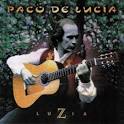 1998Luzia
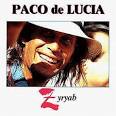 1990Zyryab