

Paco de Lucía raises the bar with Flamenco-jazz
Flamenco-jazz- Album Overview
"Flamenco-jazz" is a groundbreaking album by the renowned Spanish guitarist Paco de Lucía, released in 1990. This album represents a pivotal moment in the fusion of traditional Flamenco and contemporary jazz, showcasing De Lucía's extraordinary talent and innovative approach to music. The album was produced by De Lucía himself and released under the label Polygram. It features a stellar lineup of musicians, including iconic figures like Rubem Dantas on percussion and Carles Benavent on bass, contributing to the rich tapestry of sound that defines this work. The recording sessions took place in various studios across Spain, allowing for an authentic sound that blends the vibrant rhythms of Flamenco with the improvisational elements of jazz. The album comprises several tracks that highlight De Lucía's virtuosic guitar work, with pieces such as "La Cañada" and "Caña de Azúcar" standing out for their intricate melodies and rhythmic complexity. "Flamenco-jazz" not only represents a significant artistic achievement for De Lucía but also marks a broader cultural significance in the world of music, as it helped to elevate Flamenco to global prominence and introduced jazz audiences to the rich traditions of Spanish music. The album can also be seen as a precursor to the growing trend of world music fusion in the years that followed. Singles such as "Caña de Azúcar" gained considerable attention, further establishing De Lucía's reputation as a master of his craft.
Review
Paco de Lucía's "Flamenco-jazz" is a stunning auditory experience that transcends the boundaries of musical genres. The album's sound is characterized by a seamless integration of Flamenco's passionate rhythms and the fluid improvisation typical of jazz. De Lucía's guitar work is nothing short of mesmerizing, as he navigates complex scales and intricate fingerpicking techniques with remarkable ease. The artistic vision behind this album is clear: De Lucía aims to bridge the gap between two distinct musical traditions, creating a dialogue between Flamenco's emotional depth and jazz's spontaneity. The result is a collection of tracks that pulse with energy and creativity, inviting listeners to explore the depths of each composition. While the album occasionally leans into the technical prowess of its musicians, it never loses sight of the emotional core that defines Flamenco. The interplay between the musicians is palpable, with each contributing to a cohesive yet dynamic sound that is both sophisticated and accessible. "Flamenco-jazz" serves not just as an album but as an invitation to experience the cultural richness of Spain through an innovative musical lens.
Highlights
- Masterful guitar work that showcases De Lucía's virtuosity.
- Innovative fusion of Flamenco rhythms with jazz improvisation.
- The collaborative spirit of the accompanying musicians adds depth and richness to the sound.
Weak points
- Some tracks may feel overly complex for casual listeners.
- The album's jazz influences might overshadow traditional Flamenco elements for purists.
- Occasional moments of technicality can detract from emotional expression.
Overall evaluation
"Flamenco-jazz" is a landmark album that successfully merges two vibrant musical traditions, showcasing Paco de Lucía's genius as both a guitarist and a visionary artist. It remains a significant contribution to the world of music and a testament to the power of cultural fusion.
Personal rating: 9/10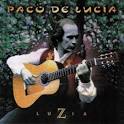 1998Luzia
 1990Zyryab