

A closer look at Paco de Lucía's album El Puente
El Puente- Album Overview
Paco de Lucía's album El Puente, released in 1997, stands as a landmark achievement in the world of flamenco music and guitar artistry. Released under the prestigious label PolyGram, the album showcases Paco's unparalleled talent as both a virtuoso guitarist and a composer. Recorded in various locations, including Spain, El Puente features a blend of traditional flamenco with contemporary influences, reflecting the cultural richness of the genre. This album marks a significant collaboration with several distinguished musicians, including the renowned flamenco singer Duquende and percussionist Rubem Dantas, who bring their unique styles to the work. The album consists of a mix of original compositions and interpretations that showcase Paco's innovative approach to flamenco. The title track, "El Puente," serves as a metaphorical bridge between traditional flamenco and modern musical expressions, highlighting the importance of cultural exchange in music. Other notable tracks include "La Cañada" and "Caña de Azúcar," both of which exemplify Paco’s technical precision and emotive playing style. While no singles were released in the conventional sense, the album as a whole received critical acclaim, solidifying Paco de Lucía's status as a musical pioneer. El Puente is not just an album; it represents a cultural dialogue, pushing the boundaries of flamenco while honoring its roots. It has been praised for its intricate guitar work and the seamless integration of various musical styles, making it a significant contribution to the flamenco genre and beyond.
Review
The sound of El Puente is a captivating blend of classical flamenco guitar and modern influences, creating an atmosphere that is both rich and evocative. Paco de Lucía's technical prowess is on full display, as he effortlessly navigates complex rhythms and intricate melodies. The album showcases his ability to convey deep emotion through his guitar, often transcending the need for lyrics. The artistic vision behind the album is one of innovation and respect for tradition, as Paco seeks to bridge the gap between the past and present. Each track reveals layers of musical complexity, inviting listeners to delve deeper into its emotional landscape. The interplay between the guitar and accompanying instruments creates a dialogue that is both intimate and expansive, allowing the listener to feel the cultural significance of the music. Overall, El Puente is a testament to Paco de Lucía's genius, reflecting his commitment to exploration within the flamenco genre while maintaining a deep respect for its roots.
Highlights
- Exceptional guitar work that showcases technical mastery and emotional depth.
- Innovative blend of traditional flamenco with contemporary musical elements.
- Strong collaborations with talented musicians that enhance the overall sound.
Weak points
- Some tracks may feel too complex for casual listeners unfamiliar with flamenco.
- Lack of prominent vocal elements may not appeal to those seeking lyrical narratives.
- Limited commercial singles could diminish mainstream recognition.
Overall evaluation
El Puente is a significant work in Paco de Lucía's discography, highlighting his exceptional talent and innovative spirit. It serves as a bridge between traditional and contemporary flamenco, appealing to both purists and newcomers alike.
Personal rating: 9/10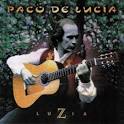 1998Luzia
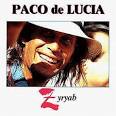 1990Zyryab