

Listening to La fabulosa guitarra de Paco de Lucía by Paco de Lucía
La fabulosa guitarra de Paco de Lucía- Album Overview
La fabulosa guitarra de Paco de Lucía is a seminal album released in 1967 by the legendary flamenco guitarist Paco de Lucía. This album, released under the Philips Records label, showcases the virtuosity and innovative spirit that would define de Lucía's career and flamenco music as a whole. Recorded in Spain, this album features a selection of traditional flamenco pieces that are reinterpreted through de Lucía's exceptional technique and expressive style. Notably, he incorporated influences from jazz and classical music, paving the way for a new direction in flamenco. The album consists of tracks that highlight the diverse range of flamenco styles, including bulerías, alegrías, and soleá. Collaborators on the album include notable flamenco musicians such as the singer Camarón de la Isla and percussionist Rubem Dantas, who contribute to the rich tapestry of sound that characterizes the record. Singles from the album, although not widely promoted at the time, have since become essential listening for guitar enthusiasts and flamenco aficionados alike. Culturally, La fabulosa guitarra de Paco de Lucía represents a critical moment in the evolution of flamenco music, as it bridges traditional forms with modern interpretations. This album not only solidified de Lucía's reputation as a groundbreaking artist but also introduced flamenco to a broader audience, influencing countless musicians across genres. Its enduring legacy is a testament to Paco de Lucía's artistry and the timeless appeal of his music.
Review
Paco de Lucía's La fabulosa guitarra de Paco de Lucía is a breathtaking showcase of guitar mastery that captivates from the very first note. The album's sound is rich and dynamic, with each track offering a unique glimpse into the depths of flamenco. De Lucía's fingers dance across the strings with an unparalleled finesse that elevates the genre, blending traditional flamenco rhythms with intricate melodic lines that are often reminiscent of jazz improvisation. Lyrically, the album is instrumental, focusing instead on the emotive power of music rather than words. Each piece conveys a story through its rhythm and melody, making it accessible even to those unfamiliar with flamenco's cultural roots. De Lucía's artistic vision is clear: he aims to push the boundaries of flamenco while staying true to its essence, and he succeeds magnificently. The arrangement of tracks allows for a fluid listening experience, with each composition flowing seamlessly into the next, creating an immersive sonic journey. Overall, the album is a masterclass in guitar playing and a significant contribution to the global appreciation of flamenco music.
Highlights
- Exceptional guitar technique and virtuosity displayed throughout the album.
- Innovative blending of traditional flamenco with jazz influences.
- Rich collaboration with other talented flamenco artists.
Weak points
- Lack of vocal tracks may limit accessibility for some listeners.
- Production quality may feel dated compared to contemporary recordings.
- Limited promotion at the time of release may have hindered its initial impact.
Overall evaluation
In conclusion, Paco de Lucía's La fabulosa guitarra de Paco de Lucía remains a cornerstone of flamenco music and a profound testament to the artistry of one of its greatest guitarists. Its intricate compositions and emotive performances continue to resonate with listeners today.
Personal rating: 9/10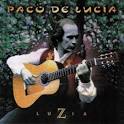 1998Luzia
 1990Zyryab