

Is Caminito De Totana Paco de Lucía's best work yet?
Caminito De Totana- Album Overview
"Caminito De Totana" is a notable album by the legendary Spanish flamenco guitarist Paco de Lucía, released in 1998. This album, which came out under the record label PolyGram, features a unique blend of traditional flamenco with modern influences, showcasing Paco's unparalleled virtuosity and his ability to innovate within the genre. The album was recorded in Spain and features collaborations with renowned musicians, including the likes of guitarist Tomatito and singer Camarón de la Isla, both of whom have significantly contributed to the flamenco scene.
The title track, "Caminito De Totana," serves as a homage to de Lucía's roots, reflecting his deep connection to the traditional sounds of Andalusia. The album contains a collection of tracks that highlight de Lucía's technical prowess and emotional depth, which are hallmarks of his style. The album was released during a period when de Lucía was exploring new musical territories while still paying homage to his flamenco roots, making it a significant part of his discography. It includes several standout tracks that resonate with fans of both traditional and contemporary flamenco music.
While not as universally acclaimed as some of his earlier works, "Caminito De Totana" is often regarded as a mature reflection of Paco de Lucía's artistry, exploring themes of nostalgia and cultural identity. Its release helped to further establish de Lucía as a global ambassador for flamenco music, contributing to the genre's recognition and appreciation beyond Spain's borders. The album has been praised for its intricate arrangements, blending complex rhythms and melodic lines that are both challenging and rewarding for listeners.
Review
The sound of "Caminito De Totana" is a testament to Paco de Lucía's mastery of the guitar. Each track offers a deep dive into the intricate world of flamenco, combining traditional techniques with contemporary sensibilities. The album opens with a vibrant energy that draws the listener in, showcasing de Lucía's dexterity and emotional expressiveness. His use of dynamics is particularly noteworthy, as he transitions seamlessly between delicate passages and explosive bursts of sound.
Lyrically, the album continues to reflect the themes of love, loss, and longing that permeate flamenco music. Although instrumental in nature, each piece tells a story, allowing listeners to connect with the music on a deeper, more personal level. The artistic vision behind the album is clear: de Lucía aims not only to entertain but to evoke a sense of place and memory through his guitar work. This ambitious approach elevates "Caminito De Totana" beyond mere entertainment, positioning it as a vital cultural artifact within the flamenco tradition.
Highlights
- Exceptional guitar work that showcases Paco de Lucía's virtuosity.
- Intricate arrangements that blend traditional flamenco with contemporary elements.
- Emotional depth and storytelling through instrumental compositions.
Weak points
- May not resonate as strongly with casual listeners unfamiliar with flamenco.
- Some tracks may feel overly complex for those seeking straightforward melodies.
- Lacks the commercial hits present in some of his earlier albums.
Overall evaluation
"Caminito De Totana" is a significant entry in Paco de Lucía's illustrious career, offering a rich exploration of flamenco that marries tradition with innovation. While it may not be his most commercially successful work, its artistic merit is undeniable. It stands as a testament to his growth as an artist and his commitment to preserving the cultural heritage of flamenco music.
Personal rating: 8/10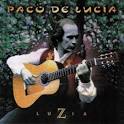 1998Luzia
 1990Zyryab