ALBUM NOTESPaco de Lucía – Passion, Grace: a sonic journey
Passion, Grace- Album Overview
Paco de Lucía's album "Passion, Grace" was released in 1981 under the Polygram label and stands as a landmark in the flamenco genre. Known for his virtuosic guitar playing and innovative approach, Paco de Lucía assembled an ensemble of talented musicians including the likes of Rubén Díaz on bass and Jorge Pardo on flute. The album captures a rich tapestry of traditional flamenco influences while incorporating elements of jazz and classical music, showcasing his ability to blend genres seamlessly.
Recorded primarily in Spain, "Passion, Grace" features an array of tracks that highlight Paco's technical prowess and emotive playing style. The compositions are a mix of original works and interpretations of traditional flamenco pieces, making the album both a personal statement and a homage to his cultural roots. Notable tracks include "La Cañada," which showcases his intricate fingerpicking technique, and "Aguadulce," a piece that reflects his deep connection to the flamenco spirit.
The album's release was significant not only for its musical content but also for its impact on the global perception of flamenco music. It played a crucial role in introducing flamenco to a wider audience and influencing countless musicians across various genres. Singles from the album contributed to its success, further solidifying Paco de Lucía's reputation as a pioneering artist in the world of music.
Review
"Passion, Grace" is a masterclass in guitar artistry, with each track presenting a unique narrative that is both personal and universal. The album's sound is characterized by its intricate melodies, dynamic rhythms, and the emotive power of Paco's guitar playing. His ability to blend the complexity of flamenco with the fluidity of jazz creates a soundscape that is both innovative and deeply rooted in tradition.
Lyrically, while the album primarily focuses on instrumental pieces, the underlying emotional depth captures the essence of flamenco's storytelling tradition. Paco's artistic vision is evident in how he uses his guitar not merely as an instrument but as a voice that speaks to the listener's heart. His collaborations with other musicians enhance the album's richness, allowing for a variety of textures and layers in the sound.
Overall, "Passion, Grace" exemplifies Paco de Lucía's commitment to pushing the boundaries of flamenco music while respecting its heritage. The album is a sonic journey that invites listeners to explore the depths of emotion and artistry that flamenco has to offer.
Highlights
- Exquisite guitar playing showcasing virtuosity and emotion.
- A seamless blend of flamenco, jazz, and classical influences.
- Rich collaborations that enhance the album's musicality.
Weak points
- The album may be too complex for listeners unfamiliar with flamenco.
- Lacks vocal tracks, which may limit appeal to a broader audience.
- Some tracks may feel lengthy for casual listeners.
Overall evaluation
"Passion, Grace" is a pivotal work that not only highlights Paco de Lucía's brilliance but also serves as a gateway for new listeners to the world of flamenco. It captures the essence of the genre while pushing its boundaries, making it an essential listen for any music lover.
Personal rating: 9/10


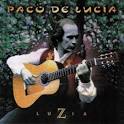 1998Luzia
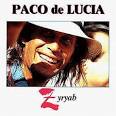 1990Zyryab