

Paco de Lucía – Castro Marín: a sonic journey
Castro Marín- Album Overview
Paco de Lucía's "Castro Marín," released in 1991, is a profound exploration of flamenco music that showcases the virtuosity and innovative spirit of the legendary guitarist. This album was released under the Philips label and features an array of compositions that highlight de Lucía's skillful fingerpicking and deep understanding of traditional flamenco. Recorded in a period of artistic evolution for the guitarist, "Castro Marín" stands as a testament to his ability to fuse traditional flamenco with contemporary influences, elevating the genre to new heights.
The album is notable for its collaborative spirit, featuring contributions from seasoned musicians such as Rubén Dantas on percussion and Carles Benavent on bass. These collaborations enhance the rhythmic complexity and melodic richness of the tracks, allowing for a dynamic interplay that is both engaging and captivating. The title track, "Castro Marín," is a particular highlight, encapsulating the essence of de Lucía's style: intricate melodies intertwined with powerful rhythms.
While "Castro Marín" did not produce any significant hit singles, its cultural significance lies in its ability to resonate with both flamenco aficionados and newcomers alike. The album reflects a period where Paco de Lucía was pushing the boundaries of flamenco, incorporating jazz and classical elements, which in turn broadened the appeal of this traditional Spanish genre. The album's sonic textures and emotive performances have left a lasting impact on musicians and listeners, solidifying de Lucía's status as a flamenco icon.
Review
"Castro Marín" is a masterclass in guitar artistry, where each note played by Paco de Lucía tells a story imbued with passion and precision. The album opens with a spirited track that immediately showcases de Lucía's technical prowess, followed by a series of compositions that explore a range of emotions. The interplay between the guitar and accompanying instruments creates a rich tapestry of sound that is both intricate and accessible. De Lucía's ability to blend traditional flamenco forms with modern sensibilities allows the listener to experience the genre in a fresh light.
The lyrical content, often rooted in themes of love, longing, and the beauty of life, complements the music beautifully, though much of the album is instrumental. The absence of lyrics does not detract from the emotional weight of the album; rather, it allows the listener to immerse themselves fully in the guitar's voice. Each track flows seamlessly into the next, creating an auditory journey that feels both cohesive and expansive. The artistic vision behind "Castro Marín" is clear: it is a celebration of flamenco that respects its traditions while also daring to innovate.
Highlights
- Exceptional guitar work that showcases technical mastery and emotional depth.
- Rich collaborations with talented musicians that enhance the overall sound.
- A perfect blend of traditional flamenco with contemporary influences, appealing to a wide audience.
Weak points
- Lack of prominent vocal tracks may not appeal to all listeners.
- Some may find the album less accessible due to its intricate musicality.
- Limited commercial singles may reduce mainstream recognition.
Overall evaluation
"Castro Marín" is a remarkable contribution to the flamenco genre, showcasing Paco de Lucía's brilliance as a guitarist and composer. The album is a rich, immersive experience that captivates through its artistry and emotional resonance.
Personal rating: 9/10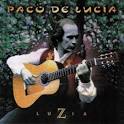 1998Luzia
 1990Zyryab