

Why Paco de Lucía's Al verte las flores lloran matters
Al verte las flores lloran- Album Overview
"Al verte las flores lloran," released in 1991, is a seminal album by the legendary Spanish flamenco guitarist Paco de Lucía. This work showcases de Lucía's extraordinary ability to merge traditional flamenco with modern influences, thereby expanding the genre's horizons. The album was released under the prestigious label Philips and is part of a series of works that solidified de Lucía's status as a pioneer in flamenco music.
The album features a collection of compositions that highlight not only de Lucía's virtuosic guitar technique but also his deep understanding of the emotional and cultural narratives that flamenco embodies. Collaborators on this album include the esteemed flamenco singers Tomatito and Camarón de la Isla, whose contributions elevate the emotional depth of the tracks. Recording took place in a variety of settings, allowing for a rich and diverse sound that captures the essence of the flamenco tradition while incorporating contemporary elements.
"Al verte las flores lloran" is particularly significant for its lyrical themes, which explore love, loss, and the beauty of nature. The title track, along with others, serves as a poignant reminder of the complexities of human emotions, expressed through the intricate melodies and rhythms typical of flamenco. While the album may not have spawned mainstream singles, its artistic integrity and emotional resonance have made it a lasting piece in de Lucía's discography and flamenco music as a whole. The album is often cited as a crucial influence for aspiring flamenco musicians and remains a testament to de Lucía's unparalleled artistry.
Review
The sound of "Al verte las flores lloran" is a masterclass in flamenco guitar, characterized by de Lucía's signature fingerpicking style and rich harmonic textures. Each track unfolds like a narrative, with de Lucía's guitar telling stories that words often cannot capture. The interplay between guitar and vocals creates a dynamic listening experience, where every note resonates with emotional weight. Lyrically, the album delves into themes of longing and beauty, using nature as a metaphor for human experiences. De Lucía's artistic vision is evident in the seamless blending of traditional flamenco with jazz and classical influences, showcasing his innovative spirit while remaining rooted in cultural authenticity.
Highlights
- Exceptional guitar work that showcases de Lucía's technical prowess and emotional depth.
- Powerful collaborations with renowned flamenco artists that enhance the overall sound.
- A perfect balance of traditional and modern elements, appealing to both flamenco purists and newcomers alike.
Weak points
- Some tracks may feel lengthy for listeners unfamiliar with flamenco's intricate structures.
- Lack of mainstream singles may limit its reach to a broader audience.
- Occasional reliance on traditional themes might seem repetitive for those seeking innovation beyond the genre.
Overall evaluation
"Al verte las flores lloran" stands as a monumental work in Paco de Lucía's illustrious career, encapsulating the essence of flamenco while pushing its boundaries. It serves as both a tribute to the tradition and a personal expression of de Lucía's artistry. This album is a must-listen for anyone interested in the depths of flamenco music.
Personal rating: 9/10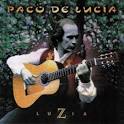 1998Luzia
 1990Zyryab