
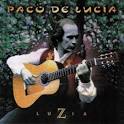
One week with Luzia: thoughts on Paco de Lucía
Luzia- Album Overview
"Luzia," released in 1998, is a remarkable album by the legendary Spanish flamenco guitarist and composer Paco de Lucía. This album stands as a testament to De Lucía's innovative spirit, blending traditional flamenco with elements of jazz and classical music. Released under the Deutsche Grammophon label, "Luzia" showcases De Lucía's mastery of the guitar, featuring tracks that highlight his virtuosity and deep emotional expression. The album includes contributions from esteemed musicians such as the flamenco singer Duquende and guitarist Tomatito, who add layers of richness to the sound. The recording process took place in both Spain and the United States, reflecting De Lucía's commitment to reaching a global audience while remaining rooted in his cultural heritage. The tracks "La Cañada" and "Luzia" are particularly significant, as they exemplify the fusion of traditional flamenco rhythms with contemporary influences. The album was well-received, with critics praising its artistic depth and technical proficiency. "Luzia" holds a special place in the context of De Lucía's discography, as it further solidifies his role in elevating flamenco music on the world stage, making it accessible and appreciated by a broader audience. The single "Caña de Azúcar" features intricate guitar work and passionate vocals, encapsulating the essence of flamenco while pushing its boundaries. Throughout "Luzia," De Lucía's artistry shines, making it an essential listen for both flamenco aficionados and newcomers alike.
Review
"Luzia" is a beautifully constructed album that encapsulates Paco de Lucía's artistic vision, where traditional flamenco meets contemporary influences. The album's opening track sets a serene yet vibrant tone, showcasing De Lucía's unparalleled technique and emotive playing style. The interplay between guitar and vocals creates a rich tapestry of sound that draws the listener in, making each track a journey through the heart of flamenco. The production quality is pristine, allowing every note to resonate, and the collaborative efforts of the musicians involved enhance the overall experience. De Lucía's compositions are intricate, filled with syncopated rhythms and melodic lines that are both challenging and rewarding. The lyrical content, while often steeped in the traditional themes of love and longing, is delivered with a freshness that breathes new life into the genre. Overall, "Luzia" is not just an album; it's an immersive experience that showcases the depth of Paco de Lucía's artistry, inviting listeners to explore the emotional landscape of flamenco music.
Highlights
- Exceptional guitar work that showcases De Lucía’s virtuosity.
- Seamless integration of traditional flamenco with modern influences.
- Powerful collaborations with renowned musicians enhance the album’s depth.
Weak points
- Some tracks may feel lengthy for casual listeners.
- The complexity of the music may not appeal to those unfamiliar with flamenco.
- Limited lyrical diversity, focusing heavily on traditional themes.
Overall evaluation
"Luzia" stands as a significant contribution to both Paco de Lucía's oeuvre and the flamenco genre as a whole. It is a masterful blend of tradition and innovation, inviting listeners to appreciate the intricacies of flamenco music. For those willing to immerse themselves in its richness, "Luzia" is undoubtedly a rewarding experience.
Personal rating: 9/10 2015Guitar Recital
 1990Zyryab