

Exploring the sound of Paco de Lucía: Cositas Buenas
Cositas Buenas- Album Overview
"Cositas Buenas," released in 1998, is a seminal flamenco album by the legendary Spanish guitarist Paco de Lucía. It was produced under the Philips Records label and showcases de Lucía's extraordinary talent and innovative approach to flamenco music. The album features a rich collaboration with some of the finest musicians in the genre, including the renowned flamenco singer Duquende and the celebrated guitarist Tomatito, who contributes significantly to the album's dynamic sound. The recording of "Cositas Buenas" took place in various studios, with de Lucía himself playing a crucial role in the arrangement and production, ensuring that each track resonated with authenticity and emotional depth. The album consists of ten tracks, each weaving a tapestry of traditional flamenco with contemporary influences. Notable pieces include "La Cañada," which highlights de Lucía's virtuosity and innovative techniques, and "Caña de Azúcar," showcasing the rhythmic complexity that characterizes his work. The title track, "Cositas Buenas," encapsulates the joyful essence of flamenco, blending intricate guitar work with passionate vocal performances. Upon its release, "Cositas Buenas" was met with critical acclaim and solidified Paco de Lucía's status as a pioneering figure in the world of flamenco. The album is not only a showcase of technical prowess but also serves as a cultural touchstone, bridging the gap between traditional flamenco and modern interpretations, thus attracting a broader audience to the genre. Its impact can still be felt today, as it continues to inspire countless musicians and listeners worldwide.
Review
"Cositas Buenas" stands as a testament to Paco de Lucía's artistic vision and mastery of the flamenco guitar. The album is a rich blend of traditional flamenco rhythms and innovative arrangements that push the boundaries of the genre. De Lucía's fingerstyle technique is nothing short of mesmerizing, as he effortlessly transitions between intricate melodies and powerful strumming patterns. The collaboration with Duquende adds an emotional depth to the album, with his passionate vocals complementing de Lucía's guitar work beautifully. Lyrically, the album embraces the themes of love, loss, and the vibrancy of life, all grounded in the cultural significance of flamenco. Each track feels like a journey, pulling listeners into a vivid landscape of sound and emotion. The production quality is pristine, allowing every nuance of de Lucía's playing to shine through, while the contributions of accompanying musicians add layers of richness and complexity. Overall, "Cositas Buenas" is not just an album; it is an experience that captures the essence of flamenco and showcases Paco de Lucía's unparalleled talent. It is a perfect blend of tradition and innovation that resonates with both flamenco purists and new listeners alike.
Highlights
- Innovative blend of traditional and contemporary flamenco styles.
- Exceptional guitar work and technical mastery by Paco de Lucía.
- Powerful vocal performances that enhance the emotional depth of the tracks.
Weak points
- Some tracks may feel too complex for casual listeners unfamiliar with flamenco.
- Limited accessibility for those who prefer more mainstream musical styles.
- Occasional reliance on traditional structures may not appeal to all modern music fans.
Overall evaluation
"Cositas Buenas" is a landmark album that showcases the brilliance of Paco de Lucía, merging the traditional with the innovative in a way that is both authentic and captivating. Its cultural significance continues to influence musicians and enthusiasts alike.
Personal rating: 9/10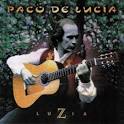 1998Luzia
 1990Zyryab