

Breaking down the themes in En Hispanoamérica by Paco de Lucía
En Hispanoamérica- Album Overview
"En Hispanoamérica," released in 1996, marks one of the landmark recordings by the eminent flamenco guitarist and composer Paco de Lucía. Produced under the Discos Nuevos label, this album stands out for its rich fusion of flamenco with various Latin American musical traditions. De Lucía, often hailed as a revolutionary force in contemporary flamenco, sought to bridge cultural divides through his music. The album features a thoughtful selection of tracks that explore themes of identity, cultural heritage, and the shared rhythms connecting Spanish and Latin American cultures.
The recording sessions took place in various locations, with contributions from notable musicians, including the legendary flamenco singer Camarón de la Isla and acclaimed pianist Michel Camilo. The collaborative spirit of the album is palpable, with each track representing a tapestry woven from the diverse sounds of Hispanoamérica. The album includes standout tracks such as "La Cañada," "Mujer de la Tierra," and "Callejón del Muro," showcasing the intricate guitar work and emotive melodies that have become synonymous with De Lucía's style.
Upon its release, "En Hispanoamérica" received critical acclaim, not only for its technical proficiency but also for its cultural significance. It served as a reminder of the deep connections between Spain and Latin America, emphasizing the shared musical heritage that transcends geographical boundaries. This album is not just a collection of songs; it is a celebration of cultural exchange and the enduring power of music to unite people across different backgrounds.
Review
The sound of "En Hispanoamérica" is a masterclass in the art of flamenco, infused with the vibrant influences of Latin American folk traditions. De Lucía's guitar work is both virtuosic and deeply expressive, employing a range of techniques that highlight his unparalleled skill and artistry. The interplay between the guitar and the accompanying instruments creates a rich auditory landscape, inviting listeners into a world where flamenco meets the diverse rhythms of Latin America.
Lyrically, the themes of the album delve into the nuances of cultural identity, love, and the nostalgia inherent in the shared experiences of Hispanic heritage. The lyrics resonate with emotional depth, often reflecting personal stories that connect to universal themes of belonging and longing. De Lucía's artistic vision is clear throughout the album; he does not merely present music but rather tells a story that intertwines the histories of two continents. This melding of sounds and stories serves to remind us of the shared humanity that exists within music.
Highlights
- Exceptional guitar work demonstrating flamenco's technical prowess.
- Meaningful collaboration with renowned artists that enriches the sound.
- Deep exploration of cultural themes that resonate with a wide audience.
Weak points
- Some listeners may find the blending of styles less traditional.
- A few tracks may feel slower in tempo, potentially losing the casual listener's interest.
- Limited promotion may have overshadowed the album's wider recognition.
Overall evaluation
"En Hispanoamérica" stands as a testament to Paco de Lucía's genius and a bridge between two vibrant musical cultures. It is an album that invites exploration and reflection, making it a significant contribution to both flamenco and Latin music. The combination of technical excellence and profound thematic exploration cements its place as an essential listen for anyone interested in the confluence of these rich traditions.
Personal rating: 9/10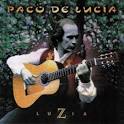 1998Luzia
 1990Zyryab