

Diving deep into Virtual Outback by Klaus Schulze
Virtual Outback- Album Overview
"Virtual Outback," released in 1992, is a notable addition to the extensive discography of German electronic music pioneer Klaus Schulze. This album, released under the label Innovative Communication, showcases Schulze’s signature blend of ambient, electronic, and progressive music elements. The album was crafted during a period when Schulze was heavily experimenting with synthesizers and computer-generated sounds, reflecting the technological advancements of the early '90s.
Recorded in his own studio, Schulze utilized an array of synthesizers, including the Yamaha DX7 and the Roland Juno series, to create the lush soundscapes that characterize the album. Collaborators on "Virtual Outback" included fellow electronic musicians who contributed to the overall atmospheric depth of the tracks. The album features three long compositions: "The Song of the Earth," "The Outback," and "The Last Train," each weaving a narrative that transports listeners to an expansive sonic landscape.
While "Virtual Outback" did not spawn any major singles, it holds a significant place in Schulze’s oeuvre as it reflects his continued evolution in sound and production techniques. The album is often cited for its contribution to the ambient and electronic genres, paving the way for future artists exploring the boundaries of sound. Schulze's work during this period encapsulates the spirit of exploration and innovation that defines much of the early '90s electronic music scene, making this album a cornerstone for both fans and newcomers alike.
Review
The sound of "Virtual Outback" is a rich tapestry of electronic textures that envelops the listener in a dreamlike state. Schulze's mastery of ambient sound is evident in the lush layers and intricate melodies that flow seamlessly throughout the album. Each track unfolds with a sense of purpose, inviting listeners to lose themselves in the expansive soundscapes he has meticulously crafted. The absence of conventional lyrics allows the music to speak for itself, creating a universal language that resonates on an emotional level.
Schulze’s artistic vision in "Virtual Outback" is one of exploration and introspection. The compositions often evoke images of vast landscapes, hinting at the influence of the Australian outback, as suggested by the album's title. This thematic connection to nature, combined with electronic instrumentation, creates a unique contrast that is both grounding and otherworldly. The album stands as a testament to Schulze's innovative spirit and his ability to evolve with the changing landscape of electronic music.
Highlights
- Rich and immersive soundscapes that draw listeners into a captivating experience.
- Expert use of synthesizers and electronic instrumentation, showcasing Schulze's musical prowess.
- The thematic depth of the compositions, evoking a sense of exploration and introspection.
Weak points
- Lengthy tracks may not appeal to all listeners seeking more traditional song structures.
- Lack of vocal elements might make it less accessible to those unfamiliar with ambient music.
- Some may find the production style dated compared to contemporary electronic music.
Overall evaluation
"Virtual Outback" is a significant work in Klaus Schulze's career, encapsulating his innovative spirit and mastery of electronic music. While it may not cater to every listener's taste, its rich soundscapes and thematic depth make it an essential listen for fans of ambient and electronic genres.
Personal rating: 8/10 1994The Dark Side of the Moog
 1991Beyond Recall
 1990The Dresden Performance
 1984Drive Inn
 1979Dune
 1977Mirage
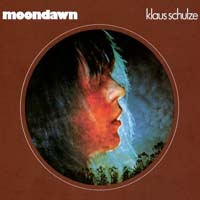 1976Moondawn
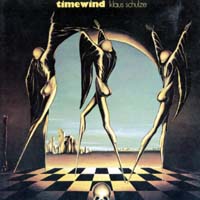 1975Timewind
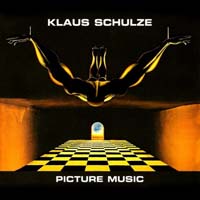 1975Picture Music
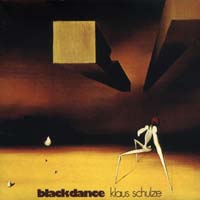 1974Blackdance
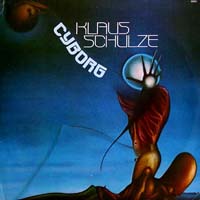 1973Cyborg
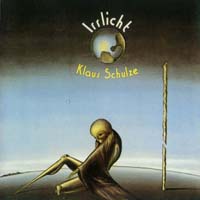 1972Irrlicht