

One week with Contemporary Works Ii: thoughts on Klaus Schulze
Contemporary Works Ii- Album Overview
"Contemporary Works II," released in 1996, is one of the later offerings from Klaus Schulze, a pioneering figure in the electronic music genre known for his ambient and space music compositions. This album was released under the label Synthetic Symphonies and is a continuation of Schulze's exploration of electronic soundscapes, following the success of his previous works. The album features contributions from several musicians, including members of Schulze's band and guest artists, enriching the sound with a collaborative spirit. The album consists of long-form tracks that showcase Schulze's mastery of synthesizers and his ability to create immersive auditory experiences. Notably, "Contemporary Works II" includes compositions that are less structured than traditional songs, emphasizing atmosphere over melody. This reflects Schulze's evolution as an artist, where he increasingly focused on the emotive and textural qualities of sound rather than conventional song structures. The album is significant not just for its sonic qualities but also for its cultural impact on the electronic genre, influencing numerous artists within the ambient and progressive scenes. The meticulous production and attention to detail highlight Schulze's dedication to his craft, making this album a notable entry in his extensive discography.
Review
The sound of "Contemporary Works II" is an expansive journey that encapsulates the essence of Klaus Schulze's artistic vision. The album begins with long, droning synths that gradually evolve, creating a tapestry of sound that invites the listener to lose themselves in the music. The lack of traditional lyrics allows for a more profound emotional connection, as the listener can interpret the soundscapes in their own way. Schulze's use of layered textures and subtle shifts in dynamics showcases his expert production skills, with each track unfolding like a narrative. While some may find the length of the tracks daunting, for those willing to invest time, the rewards are plentiful. Schulze's sonic palette is rich; he skillfully blends ethereal melodies with deep, resonant bass, creating a sense of depth and space. The album feels both timeless and contemporary, capturing the essence of electronic music's evolution while staying true to its roots. Schulze's artistic vision remains clear throughout, emphasizing the meditative and transformative power of sound.
Highlights
- Immersive soundscapes that draw the listener into a meditative state.
- Expert use of synthesizers and production techniques showcases Schulze's mastery.
- The collaborative nature of the album adds depth and variety to the sound.
Weak points
- Long track lengths may deter casual listeners seeking brevity.
- The absence of vocals may leave some craving more traditional song structures.
- Some tracks can feel repetitive, lacking dynamic progression.
Overall evaluation
"Contemporary Works II" stands as a testament to Klaus Schulze's enduring legacy in the electronic music scene. While it may not cater to all musical tastes, its rich textures and immersive soundscapes offer a rewarding experience for those willing to explore. The album exemplifies the beauty of ambient music and its ability to evoke deep emotional responses.
Personal rating: 8/10 1994The Dark Side of the Moog
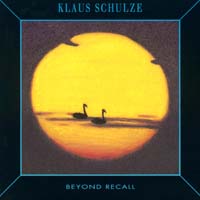 1991Beyond Recall
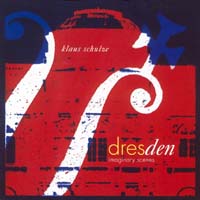 1990The Dresden Performance
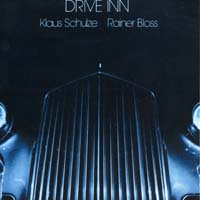 1984Drive Inn
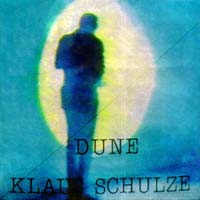 1979Dune
 1977Mirage
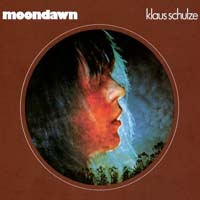 1976Moondawn
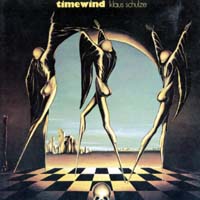 1975Timewind
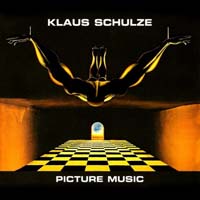 1975Picture Music
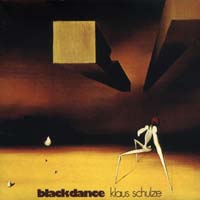 1974Blackdance
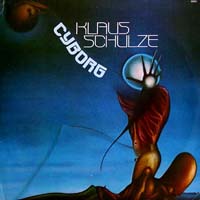 1973Cyborg
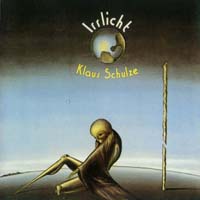 1972Irrlicht