

Diving deep into Ballett 2 by Klaus Schulze
Ballett 2- Album Overview
"Ballett 2," released in 1980, is a seminal work by German electronic music pioneer Klaus Schulze. This album, part of his expansive discography, showcases Schulze's innovative approach to sound and composition. Released under the label Innovative Communication, "Ballett 2" serves as a continuation of his explorative journey into the realms of electronic music, further solidifying his influence in the genre.
The album consists of two lengthy tracks, "Ballett 1" and "Ballett 2," which are characterized by Schulze's signature blend of synthesizers, sequencers, and drum machines. This project was initially conceived as a soundtrack for a ballet that never materialized, thus the title. The recording took place in his studio, where he meticulously crafted each sound layer, often improvising to evoke the emotional depth he desired.
Collaborators on the album include the talented percussionist and drummer, who adds a rhythmic backbone to Schulze's expansive soundscapes. The album was well-received, particularly among fans of the Berlin School of electronic music, which Schulze is often associated with. Its significance lies not only in its auditory experience but also in its cultural context, reflecting the burgeoning electronic music scene of the late '70s and early '80s.
Despite not producing any official singles, "Ballett 2" has enjoyed a lasting influence, frequently cited by contemporary musicians and composers who draw inspiration from its ethereal textures and experimental approaches.
Review
"Ballett 2" captivates listeners with its sprawling soundscapes that meld ambient textures with rhythmic pulses. The album opens with an atmospheric introduction that gradually evolves into a rich tapestry of sounds, showcasing Schulze's mastery over synthesizers and electronic instrumentation. The absence of conventional lyrics allows the music to speak for itself, creating a sonic journey that invites introspection and emotional resonance.
The artistic vision behind "Ballett 2" is clear: Schulze aims to transport his audience into an immersive experience. His ability to weave intricate layers of sound ensures that each listen reveals new details, making it a rewarding exploration for both casual listeners and dedicated fans. The juxtaposition of serene and frenetic moments throughout the tracks reflects the duality of human emotion, encapsulating the complexities of life itself.
Highlights
- Innovative soundscapes that push the boundaries of electronic music.
- Rich, immersive listening experience that rewards repeated listens.
- Influential work that continues to inspire contemporary electronic artists.
Weak points
- Lengthy tracks may not appeal to all listeners, particularly those preferring shorter compositions.
- Lack of conventional structure could alienate fans of traditional song formats.
- Some may find the absence of lyrics limiting in emotional expression.
Overall evaluation
"Ballett 2" stands as a testament to Klaus Schulze's innovative spirit and his significant contributions to electronic music. While it may not cater to all musical tastes, its artistry and depth make it a worthy exploration for those willing to dive into its expansive sound world.
Personal rating: 8/10 1994The Dark Side of the Moog
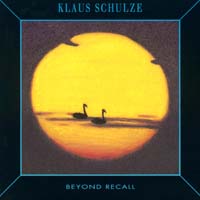 1991Beyond Recall
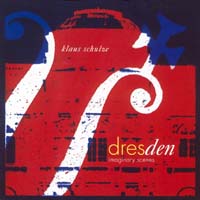 1990The Dresden Performance
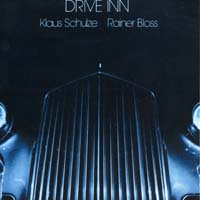 1984Drive Inn
 1979Dune
 1977Mirage
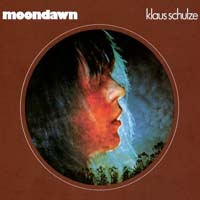 1976Moondawn
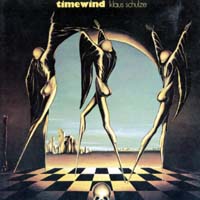 1975Timewind
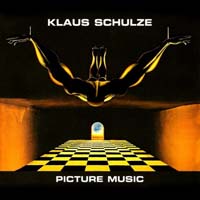 1975Picture Music
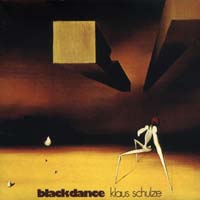 1974Blackdance
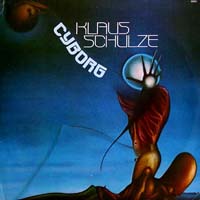 1973Cyborg
 1972Irrlicht