ALBUM NOTESAlbum spotlight: Klaus Schulze-The Dark Side of the Moog – The Dark Side of the Moog
Album overview
Klaus Schulze's "The Dark Side of the Moog" is a groundbreaking electronic album released in 1994 under the label SPV GmbH. This album is part of a collaborative series with the German electronic music duo, The Dark Side of the Moog, influenced by the iconic sounds of Pink Floyd. Schulze, a pioneer of electronic music and a founder of the Berlin School sound, is known for his innovative use of synthesizers and sequencers, and this album merges his signature style with ambient and space music elements.
The album consists of several tracks that showcase an expansive sound palette, resulting from Schulze's meticulous layering and processing of sounds. It features extended instrumental explorations, rich textures, and a meditative quality that invites listeners into a sonic journey. Noteworthy tracks include "The Dark Side of the Moog, Part 1" and "The Dark Side of the Moog, Part 2," which exemplify the album's immersive soundscapes. Schulze collaborated with other notable musicians during the recording, contributing to the album's depth.
"The Dark Side of the Moog" not only pays homage to classic rock influences but also pushes electronic music's boundaries, solidifying Schulze's legacy as a visionary artist. The album's release in the mid-'90s coincided with a resurgence of interest in ambient music, making it culturally significant as it bridged the gap between progressive rock and electronic experimentation.
Review
Klaus Schulze's "The Dark Side of the Moog" is a masterclass in ambient electronic music, showcasing his ability to create vast, atmospheric soundscapes that resonate deeply with listeners. The album's production is marked by lush synthesizer tones and rhythmic sequences that evoke a sense of floating through space. Schulze’s use of the Moog synthesizer is particularly captivating, as it allows for a dynamic range of sounds that shift and evolve throughout the tracks.
While the album lacks traditional lyrics, its instrumental nature allows for a profound emotional connection. Each track feels like a journey, with Schulze guiding the listener through varying moods and textures. The overall artistic vision is one of exploration and introspection, making it a significant work in the realm of electronic music. Schulze’s penchant for long-form compositions draws the listener into a trance-like state, enhancing the immersive experience.
Overall, "The Dark Side of the Moog" stands as a testament to Schulze's pioneering spirit and his ability to blend rock influences with avant-garde electronic elements, creating a unique listening experience that resonates with fans of both genres.
Highlights
- Rich, immersive soundscapes that transport the listener to another realm.
- Exceptional use of the Moog synthesizer, showcasing Schulze's technical prowess.
- A seamless blend of rock influences and electronic experimentation.
Weak points
- The lengthy compositions may not appeal to all listeners, particularly those seeking shorter tracks.
- Some may find the lack of vocals limits emotional engagement.
- Occasional repetitiveness in themes could detract from the overall experience for some listeners.
Overall evaluation
Klaus Schulze’s "The Dark Side of the Moog" is an essential listen for fans of electronic and ambient music, offering a deep dive into Schulze's innovative sound. It stands as a cultural artifact that continues to influence artists in the genre.
Personal rating: 8.5/10
```


 2022Deus Arrakis
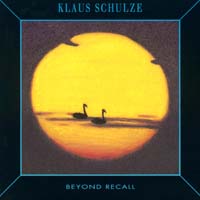 1991Beyond Recall
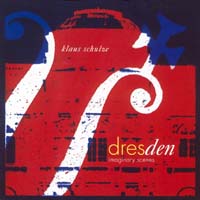 1990The Dresden Performance
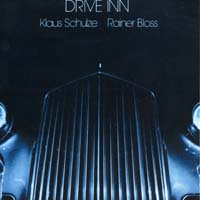 1984Drive Inn
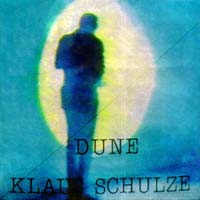 1979Dune
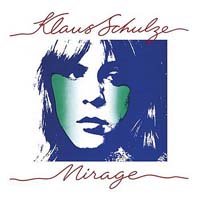 1977Mirage
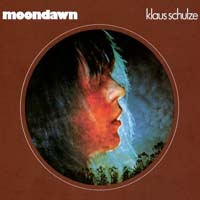 1976Moondawn
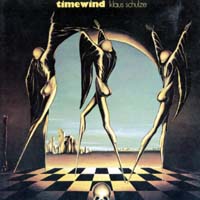 1975Timewind
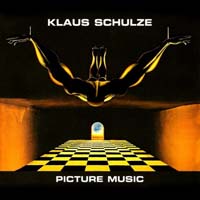 1975Picture Music
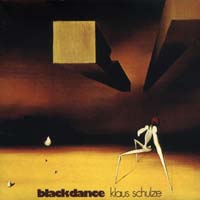 1974Blackdance
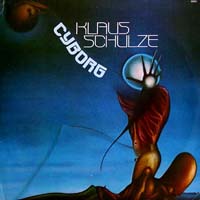 1973Cyborg
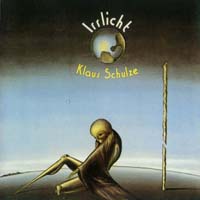 1972Irrlicht