ALBUM NOTESA closer look at Klaus Schulze's album Ballett 1
Ballett 1- Album Overview
Klaus Schulze's "Ballett 1," released in 1979, marks a notable entry in the realm of electronic music, showcasing Schulze's innovative soundscapes that blend the worlds of classical and electronic music. Released under the record label Innovative Communication, this album is a significant testament to Schulze's artistry, as it diverges from his previous works by integrating elements inspired by ballet. This conceptual album consists of four tracks that are rich in texture and atmosphere, with each piece serving as a sonic interpretation of ballet themes.
The album was recorded during a prolific period in Schulze's career, where he was known for experimenting with synthesizers and sequencers. Collaborators on "Ballett 1" include percussionist Michael Shrieve, known for his work with Santana, who adds a rhythmic layer to Schulze's compositions. The album's production highlights Schulze's unique approach to sound layering, with extensive use of synthesizers, particularly the Moog and ARP models, which were revolutionary at the time.
"Ballett 1" did not produce any singles, yet its impact on the electronic and progressive music scenes is notable, influencing countless artists who followed. The album's blend of ambient soundscapes and rhythmic elements encapsulates the avant-garde spirit of the late 1970s, making it a culturally significant piece in Schulze's discography. The intricate compositions invite listeners into a meditative experience, transcending the boundaries of traditional musical forms.
Review
Schulze's "Ballett 1" stands out as an audacious exploration of sound, marrying the elegance of ballet with the expansive possibilities of electronic music. The album opens with a sweeping sound that envelops the listener, creating an immersive experience that feels both ethereal and grounded. The lack of conventional lyrics allows the music to speak for itself, inviting listeners to interpret the sounds in a personal way. Each track flows seamlessly into the next, revealing Schulze's mastery in creating long-form compositions that maintain interest and emotional depth throughout.
The use of synthesizers is particularly compelling; Schulze's ability to manipulate sound creates a rich tapestry of textures that evoke the grace and fluidity of ballet movement. The rhythmic elements introduced by Shrieve add a dynamic pulse that contrasts with the more ambient sections, showcasing Schulze's versatility as a composer and producer. The overall mood of the album oscillates between tranquility and tension, reflecting the duality often present in classical ballet narratives.
Highlights
- Innovative blend of classical ballet themes with electronic soundscapes.
- Exceptional sound design and production that captures the essence of the late 1970s.
- Immersive listening experience that invites personal interpretation and reflection.
Weak points
- Some listeners may find the long tracks challenging due to their abstract nature.
- Lack of conventional song structure may not appeal to mainstream audiences.
- Limited commercial exposure and promotion may hinder accessibility to a broader audience.
Overall evaluation
"Ballett 1" is a testament to Klaus Schulze's innovative spirit and artistic vision, blending electronic music with classical influences in a way that remains compelling decades later. While it may not cater to all tastes, those who appreciate experimental music will find much to admire in this album.
Personal rating: 8/10


 1994The Dark Side of the Moog
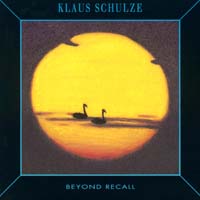 1991Beyond Recall
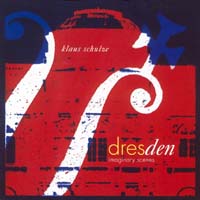 1990The Dresden Performance
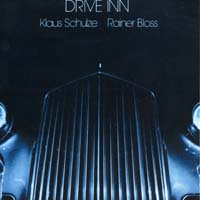 1984Drive Inn
 1979Dune
 1977Mirage
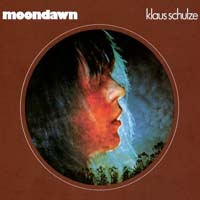 1976Moondawn
 1975Timewind
 1975Picture Music
 1974Blackdance
 1973Cyborg
 1972Irrlicht