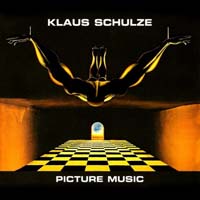
ALBUM NOTESExploring the sound of Klaus Schulze-Picture Music: Picture Music
Album overview
Klaus Schulze's "Picture Music," released in 1979, is a pioneering work in the genre of electronic music, showcasing the artist’s innovative approach to sound synthesis and composition. This album was released under the Brain label, a prominent label known for its avant-garde and progressive music catalog. "Picture Music" is notable for its seamless blend of sequencer-driven rhythms and ambient soundscapes, a hallmark of Schulze's style. The album consists of four tracks: "Picture Music," "The Great Gate," "The Dance of the Spirits," and "The Last Journey," all of which exhibit Schulze's ability to create immersive auditory experiences.
Schulze recorded the album using various synthesizers, including the Moog and ARP models, and employed tape loops to enhance its sonic texture. His collaborations with other musicians, such as percussionist Michael Shrieve, contributed to the album's dynamic range and depth. "Picture Music" serves as an exploration of themes such as time, space, and human emotion, reflecting not only Schulze's artistic vision but also the broader cultural shifts of the late 1970s, where electronic music began to gain prominence outside of niche circles. The album was significant in influencing a generation of electronic composers and remains a touchstone in the evolution of ambient music.
Review
Klaus Schulze's "Picture Music" is a testament to his mastery of electronic soundscapes and his visionary approach to music production. The album unfolds like a cinematic journey, where each track takes the listener through a landscape of ethereal sounds and pulsating rhythms. Schulze's use of synthesizers creates a rich tapestry of sonic textures that evoke both tranquility and introspection. The extended compositions allow for a deep exploration of themes, with the music ebbing and flowing in a way that mirrors the natural world.
The absence of traditional song structures and lyrics is notable, yet it enhances the album's immersive quality, inviting listeners to engage with the music on a more intuitive level. This lack of conventionality showcases Schulze's artistic vision—a departure from mainstream music norms into a realm where sound itself becomes the primary narrative force. "Picture Music" transcends its time, resonating with the ideals of the electronic music movement and influencing countless artists in the decades that followed.
Highlights
- Innovative use of synthesizers creates rich, textured soundscapes.
- Extended compositions encourage deep listening and introspection.
- Cultural significance as a landmark in the evolution of electronic music.
Weak points
- Lack of traditional song structures may not appeal to all listeners.
- Some tracks may feel repetitive to those unfamiliar with ambient music.
- The album's length could be overwhelming for casual listeners.
Overall evaluation
"Picture Music" stands as a significant work in Klaus Schulze's discography and the broader landscape of electronic music. Its innovative approach to sound and composition marks it as a classic that continues to inspire.
Personal rating: 9/10
```

 2022Deus Arrakis
 1994The Dark Side of the Moog
 1991Beyond Recall
 1990The Dresden Performance
 1984Drive Inn
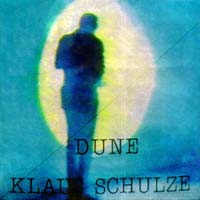 1979Dune
 1977Mirage
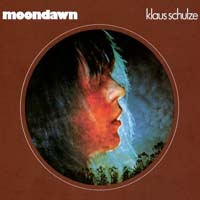 1976Moondawn
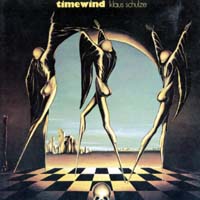 1975Timewind
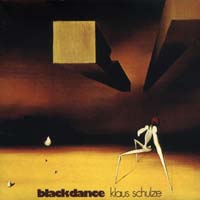 1974Blackdance
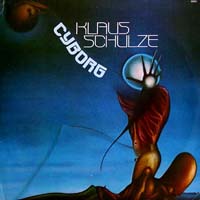 1973Cyborg
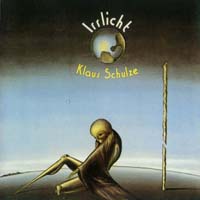 1972Irrlicht