

Inside Deus Arrakis by Klaus Schulze
Deus Arrakis- Album Overview
"Deus Arrakis," released in 2022, marks a significant addition to the storied career of Klaus Schulze, a pioneer of electronic music. Known for his immersive soundscapes and innovative use of synthesizers, Schulze continues to push the boundaries of the genre with this album. Released under the label SPV GmbH, "Deus Arrakis" features a blend of Schulze's signature electronic compositions, incorporating elements of ambient, progressive rock, and experimental music.
The recording process for "Deus Arrakis" involved extensive use of synthesizers, sequencers, and Schulze's distinctive layering techniques, which have been hallmarks of his previous works. The album consists of two lengthy tracks, "Deus Arrakis" and "The Desert," which showcase Schulze's ability to create vast auditory landscapes that evoke a sense of exploration and introspection.
Schulze collaborated with several talented musicians on this project, including longtime collaborator and percussionist, who adds depth to the rhythmic structures of the tracks. The album is inspired by Frank Herbert’s "Dune," reflecting themes of ecological consciousness and the struggle for survival within a harsh environment. This connection to literary sources enriches the listening experience, allowing audiences to engage with the music on multiple levels.
As a single release, "Deus Arrakis" has made waves in the electronic music community, drawing attention from both longtime fans and new listeners. The album's cultural significance lies in its homage to classic science fiction while firmly rooting itself in contemporary issues, making it a relevant work in today's socio-political climate.
Review
Within "Deus Arrakis," Schulze exhibits his mastery of sound as he weaves together intricate layers of synthesizers and organic instrumentation, creating an ethereal atmosphere that envelops the listener. The album's two tracks, while lengthy, are meticulously crafted, with each section flowing seamlessly into the next, inviting listeners to embark on a sonic journey. The absence of traditional lyrics allows the music to speak for itself, with Schulze's compositions painting vivid pictures of desert landscapes and interstellar adventures.
Musically, Schulze explores both the serene and the chaotic, reflecting the duality of existence. The rhythmic patterns are hypnotic, drawing the listener into a trance-like state. While some may find the extended lengths of the tracks challenging, those willing to immerse themselves will discover rich textures and evolving motifs that reward patience and deep listening. Schulze's artistic vision in "Deus Arrakis" encapsulates both nostalgia for the past and a foresight into the future of electronic music.
Highlights
- Immersive soundscapes that transport listeners to other worlds.
- Rich layering of synthesizers that showcases Schulze's production expertise.
- A thought-provoking thematic connection to literary works, enhancing the album's depth.
Weak points
- Extended track lengths may deter casual listeners.
- Lack of traditional song structures could be challenging for some.
- May require multiple listens to fully appreciate the nuances.
Overall evaluation
"Deus Arrakis" is a testament to Klaus Schulze's enduring legacy in the realm of electronic music. It is an album that invites contemplation and exploration, rewarding those who take the time to delve into its depths.
Personal rating: 8/10 1994The Dark Side of the Moog
 1991Beyond Recall
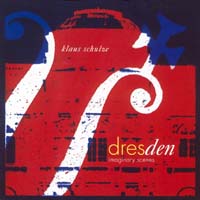 1990The Dresden Performance
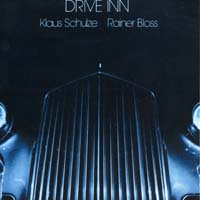 1984Drive Inn
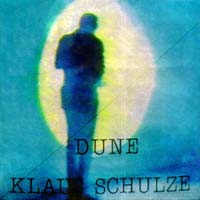 1979Dune
 1977Mirage
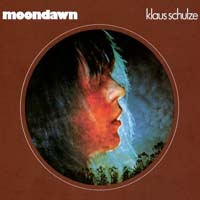 1976Moondawn
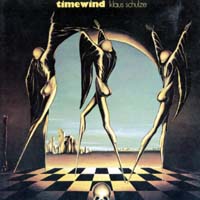 1975Timewind
 1975Picture Music
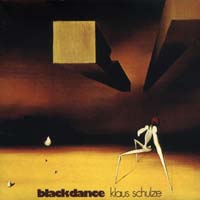 1974Blackdance
 1973Cyborg
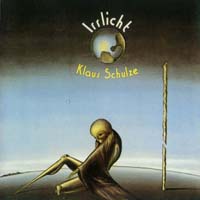 1972Irrlicht