ALBUM NOTESThe evolution of Klaus Schulze-Cyborg in Cyborg
Album overview
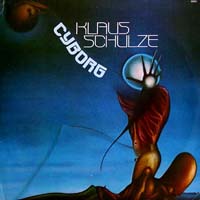
Klaus Schulze's "Cyborg," released in 1973 on the Brain label, is a milestone in the evolution of electronic music. The album showcases Schulze's pioneering work in the genre of Berlin School electronic music, characterized by its extensive use of synthesizers and sequencers. Recorded at the Dierks Studios in Stommeln, Germany, "Cyborg" features rich soundscapes and atmospheric elements that resonate with the sci-fi aesthetics of the era. Schulze, who had previously contributed to the band Ash Ra Tempel, embarked on a solo career that was largely defined by this release. The album is a double LP, comprising only two extended tracks: "Cyborg" and "Birth of Liquid Plejades," each over 25 minutes long. The tracks are instrumental, revealing Schulze's ability to craft immersive sound worlds that transport listeners into another realm. Collaborators on this album include drummer Michael Shrieve and guitarist Manuel Göttsching, adding depth to Schulze's expansive sound. The album's minimalist approach and experimental nature had a profound influence on subsequent electronic artists and genres, marking a significant cultural shift in the 1970s music landscape.
Review
"Cyborg" stands as a testament to Klaus Schulze's artistic vision and innovative spirit. The album's sound is deeply layered, merging pulsating synth lines with rhythmic sequences that create a hypnotic experience. From the outset, "Cyborg" envelops listeners in a vast sonic panorama, with each track unfolding like a journey through time and space. Schulze's use of synthesizers is both pioneering and emotive, often evoking feelings of isolation and introspection. Unlike traditional song structures, the album's lengthy compositions allow for extended exploration of themes and motifs, showcasing Schulze's mastery of electronic sound. The lack of lyrics, replaced by an atmospheric sound palette, invites listeners to interpret the music on a personal level. This album is not just a collection of tracks, it is a conceptual piece that reflects the essence of humanity's relationship with technology and the cosmos. The artistic vision presented in "Cyborg" has inspired countless musicians, cementing Schulze's legacy as a foundational figure in electronic music.
Highlights
- Groundbreaking use of synthesizers and sequencers.
- Immersive, expansive soundscapes that transport listeners.
- Influential in shaping the future of electronic music.
Weak points
- Length of tracks may be daunting for casual listeners.
- Minimalist structure lacks traditional song dynamics.
- Some may find the absence of lyrics limiting in emotional connection.
Overall evaluation
"Cyborg" is an essential listening experience for anyone interested in the evolution of electronic music. It encapsulates a transformative era where music became increasingly intertwined with technology. Klaus Schulze's innovative approach and expansive soundscapes continue to resonate and inspire.
Personal rating: 9/10
```

 2022Deus Arrakis
 1994The Dark Side of the Moog
 1991Beyond Recall
 1990The Dresden Performance
 1984Drive Inn
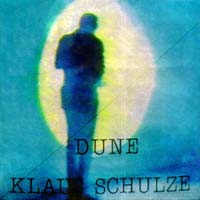 1979Dune
 1977Mirage
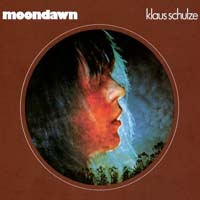 1976Moondawn
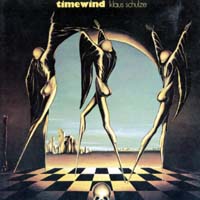 1975Timewind
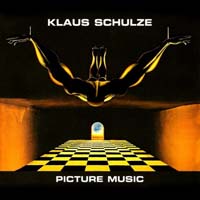 1975Picture Music
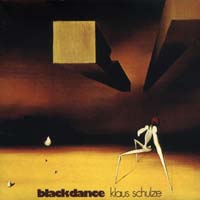 1974Blackdance
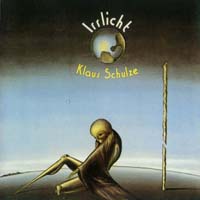 1972Irrlicht