
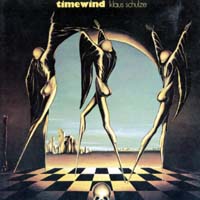
Exploring the sound of Klaus Schulze-Timewind: Timewind
Album overview
Released in 1975, "Timewind" is a seminal album by German electronic music composer Klaus Schulze. This work is a landmark in the genre of electronic music, showcasing Schulze's innovative approach to sound synthesis and ambient composition. The album was released under the record label Brain Records and is often considered one of the defining moments in the Berlin School of electronic music. "Timewind" consists of two extended tracks, "Bayreuth Return" and "Wahnfried 1883," each over 20 minutes long, allowing for expansive exploration of soundscapes. The album was recorded at the studio of the renowned German composer and sound engineer, Klaus Schulze, who utilized a combination of synthesizers, sequencers, and organ to create its textured sound. Schulze's influence can be traced through the progressive rock and ambient music scenes that followed, as he paved the way for many artists who sought to push the boundaries of sound. The album's immersive quality, characterized by long, evolving drones and subtle melodic shifts, invites listeners into a meditative state, making it a pivotal work in the evolution of electronic music. Its impact resonates through generations of musicians and composers, securing Schulze's legacy as a pioneer.
Review
"Timewind" embodies a transcendental experience that goes beyond mere listening, it is an auditory journey. The album's tracks are meticulously crafted, with each note resonating in a way that draws the listener into a profound sonic landscape. Schulze's use of synthesizers is particularly noteworthy, as he manipulates textures and layers to create a rich tapestry of sound that feels both organic and otherworldly. The absence of conventional song structures allows for an exploration of time itself, as the music ebbs and flows, reflecting the title "Timewind." While there are no lyrics to analyze, the emotive power of the compositions speaks volumes, conveying a sense of both nostalgia and futurism. Schulze's artistic vision is clear, he aims to transport the listener to a different realm, and he succeeds remarkably well. Overall, "Timewind" is a masterclass in ambient music, showcasing not only Schulze's technical prowess but also his ability to evoke deep emotional responses through sound.
Highlights
- Innovative use of synthesizers and soundscapes.
- Immersive, meditative quality that engages the listener.
- Timeless influence on electronic and ambient music genres.
Weak points
- Lengthy tracks may not appeal to all listeners.
- Lack of traditional song structure might be challenging for some.
- Production quality feels dated compared to modern standards.
Overall evaluation
"Timewind" stands as a monumental achievement in the realm of electronic music, offering a unique listening experience that continues to inspire artists today. Klaus Schulze's pioneering spirit is evident throughout the album, making it a must-listen for fans of the genre.
Personal rating: 9/10 ``` 2022Deus Arrakis
 1994The Dark Side of the Moog
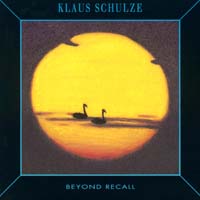 1991Beyond Recall
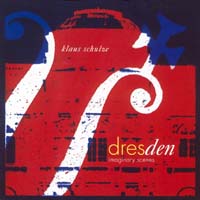 1990The Dresden Performance
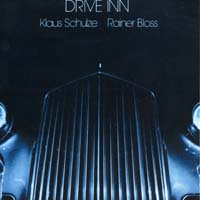 1984Drive Inn
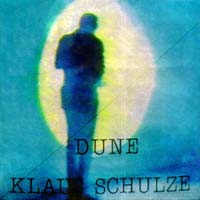 1979Dune
 1977Mirage
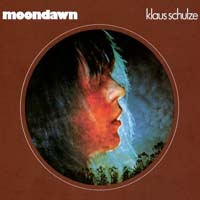 1976Moondawn
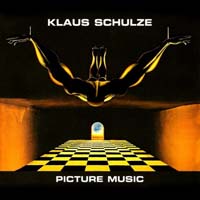 1975Picture Music
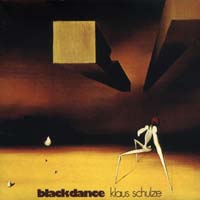 1974Blackdance
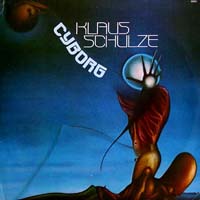 1973Cyborg
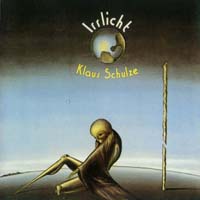 1972Irrlicht