

Klaus Schulze – The Dark Side Of The Moog Iii: track-by-track perspective
The Dark Side Of The Moog Iii- Album Overview
"The Dark Side of the Moog III," released in 1998, is the third installment in Klaus Schulze's series that pays homage to Pink Floyd's "The Dark Side of the Moon." This album, released under the label SPV/Steamhammer, solidifies Schulze's position as a pioneering figure in electronic music. Known for his immersive soundscapes and innovative use of synthesizers, Schulze blends ambient and Berlin School styles to create an ethereal listening experience. The album features the collaboration of guest musicians, including the noted electronic artist, Michael Shrieve, who adds a unique texture to the sound. Recorded in Schulze's home studio, the album showcases his mastery of the Moog synthesizer, reflecting a deep emotional resonance that characterizes much of his work. Throughout its tracks, Schulze employs lengthy compositions that evolve organically, inviting listeners into a meditative state. The album did not produce any commercial singles but remains an essential piece in Schulze's discography, often cited for its influence on the ambient and electronic music scenes. Its cultural significance lies in its ability to bridge the gap between progressive rock and electronic music, appealing to a diverse audience and demonstrating the timeless appeal of Schulze's sound. The album continues to resonate with both long-time fans and newcomers, serving as a testament to Schulze's enduring legacy in the realm of experimental music.
Review
The soundscapes of "The Dark Side of the Moog III" offer an auditory journey that is both expansive and intimate. Schulze's use of the Moog synthesizer is masterful, weaving layers of rich, textured sounds that evoke a sense of cosmic exploration. Each track unfolds slowly, allowing the listener to immerse themselves in the intricacies of the compositions. Unlike traditional music with defined structures, Schulze's work is more about creating an atmosphere and an emotional landscape. There are no lyrics to dissect, yet the music communicates a profound sense of longing and introspection. The artistic vision behind this album emphasizes the importance of sound as a medium for expression, with each note carrying weight and significance. The album's production quality is pristine, highlighting the nuances of the synthesizer and the subtle interplay between the various instruments. Overall, "The Dark Side of the Moog III" stands as a testament to Schulze's artistic vision and his ability to transcend the confines of genre.
Highlights
- Rich and immersive soundscapes that invite deep listening.
- Innovative use of synthesizers, showcasing Schulze's mastery of the Moog.
- A seamless blend of ambient and progressive elements that create a unique listening experience.
Weak points
- Lengthy tracks may be challenging for listeners seeking concise compositions.
- Lack of traditional song structures might alienate some mainstream audiences.
- Minimal collaboration may lead to a feeling of repetitiveness for some listeners.
Overall evaluation
"The Dark Side of the Moog III" is a profound exploration of sound that showcases Klaus Schulze's innovative spirit and artistic integrity. While its lengthy tracks may not appeal to everyone, the album remains a cornerstone of ambient music and a must-listen for those interested in the evolution of electronic sound.
Personal rating: 8/10 1994The Dark Side of the Moog
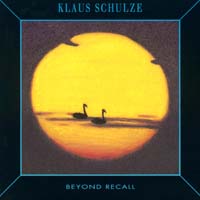 1991Beyond Recall
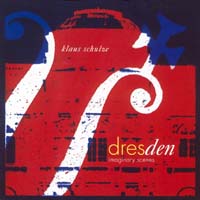 1990The Dresden Performance
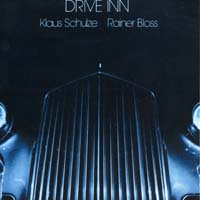 1984Drive Inn
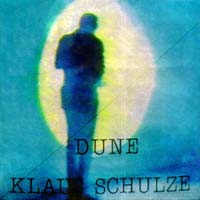 1979Dune
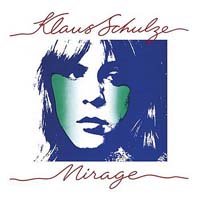 1977Mirage
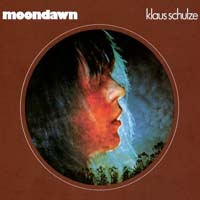 1976Moondawn
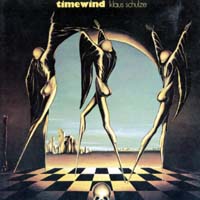 1975Timewind
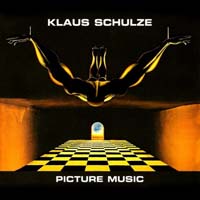 1975Picture Music
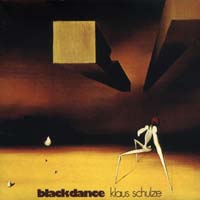 1974Blackdance
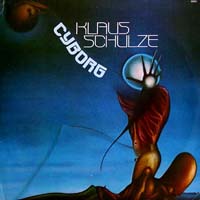 1973Cyborg
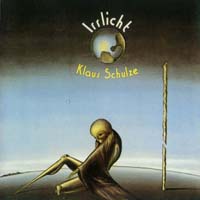 1972Irrlicht