ALBUM NOTESIs Passion, Grace & Fire Paco de Lucía's best work yet?
Passion, Grace & Fire- Album Overview
"Passion, Grace & Fire," released in 1991, is a remarkable collaboration between flamenco guitar virtuoso Paco de Lucía, jazz guitarist Al Di Meola, and classical guitarist John McLaughlin. This album stands out as a significant entry in the genre of flamenco fusion, showcasing the artists' intricate guitar work and improvisational skills. Released under the label Polygram, the album consists of seven instrumental tracks, blending elements of flamenco, jazz, and classical music.
The recording took place in the vibrant musical atmosphere of the early '90s, a time when world music was gaining popularity and artists were experimenting with cross-genre collaborations. The trio had previously worked together, but "Passion, Grace & Fire" represents the culmination of their unique styles and mutual respect for each other's artistry. The album's standout tracks include "Mediterranean Sundance" and "La Cañada," which highlight the intricate interplay between the three guitarists, creating a dialogue that is both passionate and dynamic.
The influence of this album extends beyond its musical content; it played a pivotal role in bringing flamenco music to a broader audience, contributing to the genre's evolution and appreciation in global music culture. Its release was accompanied by a successful tour, which further solidified the trio's reputation as one of the most formidable guitar ensembles of their time.
Review
"Passion, Grace & Fire" captivates listeners with its seamless blend of technical mastery and emotional depth. Each track is a testament to the artists' virtuosity, characterized by complex rhythms and melodic lines that intertwine effortlessly. Paco de Lucía's flamenco roots are evident, yet he navigates through jazz and classical influences with extraordinary finesse. The trio's chemistry is palpable, as they push each other to new heights, creating a vibrant tapestry of sound that is both exhilarating and introspective.
The album is largely instrumental, allowing the guitar to take center stage without the distraction of lyrics. This choice underscores the communication between the musicians, where each note speaks volumes. The improvisational sections are particularly noteworthy, as they showcase the spontaneity and creativity that define this collaboration. While the album may not appeal to traditional flamenco purists due to its fusion approach, it undoubtedly expands the genre's boundaries and invites a diverse audience to appreciate its rich textures.
Highlights
- The intricate interplay between the three guitarists creates a captivating dialogue throughout the album.
- Exceptional technical prowess and improvisation elevate the listening experience.
- The album successfully bridges flamenco, jazz, and classical influences, making it accessible to a wider audience.
Weak points
- Some traditional flamenco enthusiasts may find the fusion elements less appealing.
- The instrumental nature of the album may not resonate with listeners looking for lyrical content.
- Occasional moments of over-complexity may detract from the emotional impact of certain tracks.
Overall evaluation
"Passion, Grace & Fire" represents a high watermark in the careers of Paco de Lucía, Al Di Meola, and John McLaughlin, blending technical excellence with emotional storytelling. Its cultural significance and innovative approach to guitar music make it a landmark album in the flamenco fusion genre.
Personal rating: 9/10


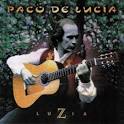 1998Luzia
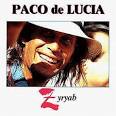 1990Zyryab