
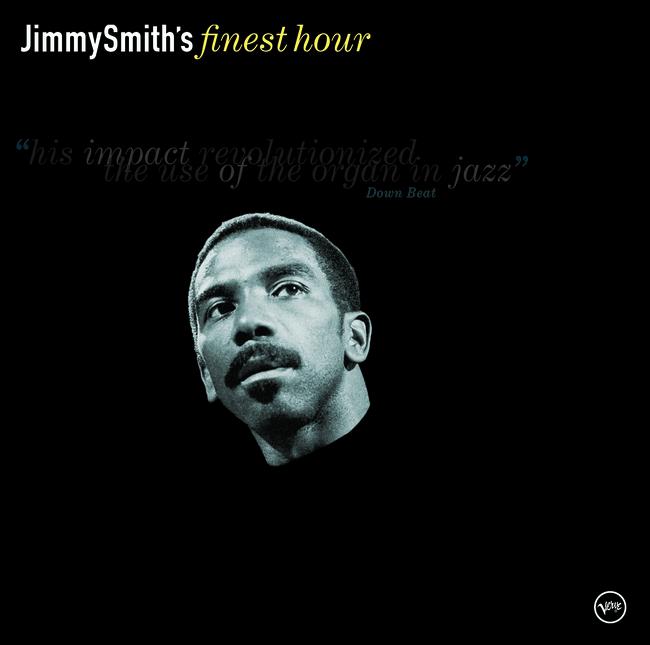
'75: exploring the world of Jimmy Smith
'75- Album Overview
Released in 1975, Jimmy Smith's album '75 marks a significant entry in the catalog of this legendary jazz organist. Known for his innovative use of the Hammond B-3 organ, Smith's work in this album continues to showcase his mastery of jazz, soul, and blues styles. The album was released under the prestigious Verve Records label, a label that has a long history of producing iconic jazz records. Smith, often credited with popularizing the jazz organ genre, collaborates with a talented ensemble of musicians, including guitarist George Benson, who brings his unique touch to the tracks.
The recording sessions for '75 took place in the vibrant musical atmosphere of the mid-1970s, a time when jazz was evolving and merging with funk and soul elements. This album features a blend of original compositions and covers, highlighting Smith's ability to interpret and reinvent classic tunes. Notable tracks include "The Cat," which showcases Smith's virtuosic playing, and "Ain't No Sunshine," a cover that emphasizes his soulful approach.
This album not only reinforces Smith's status as a jazz pioneer but also reflects the cultural and musical shifts occurring during the 1970s. The incorporation of contemporary influences of the time made '75 a relevant and exciting listen for both jazz aficionados and new listeners alike. The album's singles received considerable airplay, contributing to Smith's enduring legacy in the jazz genre.
Review
Jimmy Smith's '75 is a rich tapestry of sound, blending intricate organ lines with smooth guitar riffs and dynamic rhythms. The album opens with a vibrant energy that immediately captures the listener's attention, showcasing Smith's unparalleled skill on the Hammond organ. His improvisational prowess shines throughout the tracks, effortlessly weaving between melodic explorations and rhythmic grooves.
The lyrical quality, while not always overt in instrumental jazz, is palpable in the emotional depth of Smith's playing. His ability to convey a range of feelings—from joy to melancholy—makes each track a distinct experience. The collaboration with George Benson adds a layer of sophistication, as his guitar work complements Smith's organ melodies, creating a harmonious interplay that enhances the overall sound.
Artistically, '75 represents a bridge between traditional jazz forms and the evolving landscape of the 1970s music scene. Smith's vision is forward-thinking, yet grounded in the rich heritage of jazz, making this album a compelling listen for anyone interested in the genre's evolution.
Highlights
- Masterful organ performances that showcase Smith's technical skill.
- Strong collaborations, particularly with guitarist George Benson.
- Effective blend of traditional jazz with contemporary influences of the 1970s.
Weak points
- Some tracks may feel repetitive to listeners not familiar with jazz structures.
- Occasional reliance on familiar covers may detract from the album's originality.
- Production quality may not match the polished standards of contemporary recordings.
Overall evaluation
Jimmy Smith's '75 is a significant contribution to the jazz genre, encapsulating the essence of his innovative style while embracing the influences of its time. The album is a testament to Smith's enduring legacy as a master of the jazz organ. While it may not fully escape the pitfalls of its era, the strengths far outweigh the weaknesses.
Personal rating: 8/10 1969Further Adventures of Jimmy and Wes
 1963Back at the Chicken Shack
 1963Any Number Can Win