ALBUM NOTESThe evolution of Lee Morgan-Volume 3 in Volume 3
Album overview
Lee Morgan's "Volume 3," released in 1966, is a significant entry in the catalog of the eminent jazz trumpeter. The album was recorded for the iconic Blue Note label, known for its rich history in the jazz genre. This album features a blend of hard bop and modal jazz, showcasing Morgan's innovative approach to trumpet playing. The recording sessions took place at the Van Gelder Studio in Englewood Cliffs, New Jersey, a renowned venue that has hosted numerous jazz greats.
The album includes notable tracks such as "The Procrastinator," "The Lady," and "The Beehive," which highlight Morgan's unique sound and intricate compositions. Collaborating with Morgan on this project were prominent musicians, including saxophonist Wayne Shorter, pianist McCoy Tyner, bassist Reggie Workman, and drummer Elvin Jones, all of whom contributed to the album’s vibrant energy.
"Volume 3" stands out not only for its exceptional musicianship but also for its cultural significance during a transformative period in jazz history. The album reflects the evolution of jazz in the 1960s, a time marked by experimentation and the blending of various musical styles. The artistry displayed in this album has influenced countless musicians and continues to resonate with jazz enthusiasts today.
Review
"Volume 3" encapsulates the essence of Lee Morgan's artistic vision, combining intricate melodies with improvisational brilliance. The album begins powerfully with "The Procrastinator," where Morgan's trumpet takes center stage, weaving through complex arrangements with a sense of urgency and finesse. Each track presents a distinct mood, from the reflective tones of "The Lady" to the energetic rhythms of "The Beehive," showcasing Morgan's versatility.
The interplay between Morgan and his collaborators is electric, with Shorter's saxophone lines complementing Morgan's trumpet in a seamless dialogue. Tyner's piano adds a rich harmonic foundation, while Workman and Jones provide a dynamic rhythm section that drives the music forward. The production quality is pristine, capturing the nuances of each performance, a testament to the engineering excellence at Van Gelder Studio.
Overall, the album remains a vital piece of jazz history, illustrating not just Morgan's evolution as an artist but also the broader changes occurring within the genre during the 1960s.
Highlights
- Exceptional musicianship from a stellar lineup of jazz artists.
- Innovative compositions that showcase Morgan's evolving style.
- High-quality production that captures the spirit of the era.
Weak points
- Some tracks may feel less engaging compared to the album's standout pieces.
- The album's pacing could be uneven for casual listeners.
- Limited mainstream recognition compared to other works by Morgan.
Overall evaluation
"Volume 3" is a compelling representation of Lee Morgan's innovative spirit and technical prowess within the jazz genre. It stands as a testament to his contribution to jazz music and remains influential to this day.
Personal rating: 8/10
```


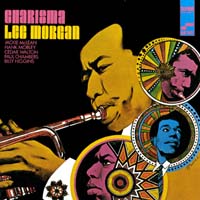 1969Charisma
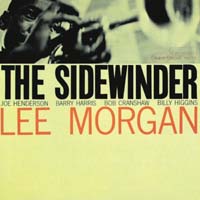 1963The Sidewinder