ALBUM NOTESThe evolution of Lee Morgan-Search for the New Land in Search for the New Land
Album overview
"Search for the New Land" is an iconic album by the esteemed trumpeter Lee Morgan, released in 1966 under the Blue Note label. This album is a significant representation of the hard bop genre and showcases Morgan's innovative approach to jazz during a transformative era in music. Recorded in the legendary Van Gelder Studio in Englewood Cliffs, New Jersey, the album features a stellar lineup of musicians, including Wayne Shorter on tenor saxophone, McCoy Tyner on piano, Bob Cranshaw on bass, and Elvin Jones on drums. The album consists of five tracks, with the title song "Search for the New Land" being particularly noteworthy for its adventurous spirit and intricate arrangements.
The album reflects the cultural and musical shifts of the 1960s, as jazz began to incorporate elements of spirituality and social consciousness. Morgan, who had already established himself as a leading figure in the jazz world, delved into deeper thematic explorations with this work. The production, overseen by the legendary producer Alfred Lion, captures the raw energy and emotional depth of the performances. "Search for the New Land" is both a product of its time and a timeless exploration of jazz's potential, leaving a lasting impact on subsequent generations of musicians and listeners alike.
Review
Lee Morgan's "Search for the New Land" is a brilliant showcase of his prowess as both a trumpeter and a composer. The album opens with the title track, which sets an adventurous tone, blending intricate melodies with a driving rhythm that invites listener engagement. Morgan's trumpet work is bold and expressive, effortlessly navigating the complex arrangements laid out by his band.
Collaboration is key in this album, and the interplay between Morgan and Wayne Shorter is particularly compelling. Shorter's tenor saxophone complements Morgan’s trumpet beautifully, creating a dialogue that enhances the emotional weight of the music. McCoy Tyner's piano work adds layers of harmonic richness, while Elvin Jones's drumming provides a powerful rhythmic foundation that propels the music forward.
The album's sound is characterized by a mix of traditional jazz elements and innovative experimentation, reflecting the broader cultural shifts happening in the 1960s. As a result, "Search for the New Land" resonates not just as music but as a statement of artistic exploration and social consciousness.
Highlights
- Innovative compositions that blend traditional jazz with experimental elements.
- Outstanding collaboration between legendary musicians, enhancing the overall sound.
- Emotional depth and cultural significance that resonate with listeners even today.
Weak points
- Some listeners may find the experimental nature of certain tracks challenging.
- Limited commercial appeal compared to more mainstream jazz albums of the era.
- Length of tracks may deter casual listeners looking for more accessible music.
Overall evaluation
"Search for the New Land" stands as a monumental work in Lee Morgan's discography and the jazz genre as a whole. Its innovative sound and profound themes make it a must-listen for both jazz aficionados and newcomers alike.
Personal rating: 9/10
```


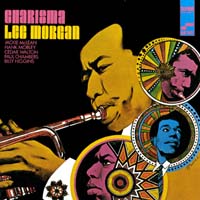 1969Charisma
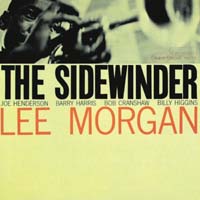 1963The Sidewinder