

Lee Morgan – After The Lights: a sonic journey
After The Lights- Album Overview
"After The Lights" is a posthumous album by the legendary jazz trumpeter Lee Morgan, released in 1974 on the Blue Note label. This album is a significant addition to Morgan's discography, showcasing his remarkable talent and innovative approach to jazz. Recorded during a period of creative resurgence in the late 1960s, it features a collection of previously unreleased tracks that reveal Morgan's evolution as an artist. The recordings were made during sessions in 1970, highlighting his collaboration with notable musicians such as saxophonist Wayne Shorter, pianist McCoy Tyner, bassist Reggie Workman, and drummer Elvin Jones, all of whom contribute to the rich, textured sound that characterizes the album. The album includes tracks like "The Sidewinder," which became a hit for Morgan and solidified his place in the jazz canon. "After The Lights" reflects the cultural significance of jazz during the 1970s, a time when the genre was undergoing transformation and experimentation. Morgan's work often bridged the gap between hard bop and more avant-garde styles, and this album is no exception. The production, overseen by the legendary Blue Note producer Alfred Lion, captures the raw energy of the sessions, making it a compelling listen for both jazz aficionados and new listeners alike. As a culmination of Morgan's artistry, "After The Lights" serves not only as a testament to his legacy but also as a vibrant snapshot of the jazz landscape of its time.
Review
"After The Lights" offers a captivating exploration of Lee Morgan's distinctive sound. The album opens with a powerful brass presence that is both commanding and nuanced, showcasing Morgan's ability to convey emotion through his trumpet. Each track is a testament to his technical prowess and innovative spirit, blending traditional jazz elements with more progressive motifs. The interplay between the musicians is particularly noteworthy, with each member contributing to the complex tapestry of sound that defines the album. The lyrical content, while largely instrumental, resonates with themes of resilience and transformation, mirroring the cultural shifts of the era. Morgan's artistic vision shines through in his willingness to experiment with form and structure, creating a listening experience that feels both intimate and expansive. The album's production quality enhances the overall impact, allowing every note to breathe and resonate in a way that feels immediate and alive. Overall, "After The Lights" stands as a powerful reminder of Lee Morgan's significant contributions to jazz and his enduring legacy as a visionary artist.
Highlights
- Expert musicianship from all collaborators, creating a rich sound.
- Innovative blend of hard bop and avant-garde jazz elements.
- Captivating emotional depth conveyed through Morgan's trumpet playing.
Weak points
- Some tracks may feel too experimental for traditional jazz listeners.
- Limited availability in physical formats might hinder accessibility.
- As a posthumous release, it lacks the context of a full promotional campaign.
Overall evaluation
"After The Lights" is a vital addition to Lee Morgan's legacy, highlighting his artistic evolution and the collaborative spirit of jazz during a transformative era. This album is a must-listen for anyone interested in the depth and complexity of jazz music.
Personal rating: 9/10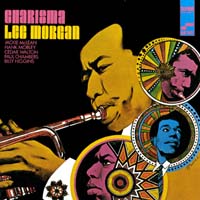 1969Charisma
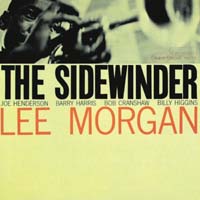 1963The Sidewinder