ALBUM NOTESA closer look at Lee Morgan-Introducing Lee Morgan's album Introducing Lee Morgan
Album overview
Lee Morgan's debut album, "Introducing Lee Morgan," was released in 1963 on the iconic Blue Note Records label. The album was recorded on February 7, 1963, at the Van Gelder Studio in Englewood Cliffs, New Jersey, a hub for many significant jazz recordings during that era. Produced by the legendary Alfred Lion, this album marks a pivotal moment in Morgan's early career, showcasing his incredible talent as a trumpeter and composer at just 25 years old.
The album features a stellar lineup of musicians, including Wayne Shorter on tenor saxophone, McCoy Tyner on piano, Bob Cranshaw on bass, and Elvin Jones on drums. These collaborators were influential figures in the jazz scene, contributing to the album's rich sound. Notable tracks include "The Sidewinder," which became a jazz standard, and "Arietis," both of which highlight Morgan's innovative approach to hard bop—a genre that blends the complexities of bebop with rhythm and blues.
"Introducing Lee Morgan" is not just an introduction to Morgan as a musician but also reflects the cultural and musical landscape of the 1960s. The album's hard-bop style, characterized by its upbeat tempos and deep grooves, served as a counterpoint to the more experimental jazz movements of the time. Its release helped solidify Morgan's place in the jazz pantheon, influencing countless musicians in the decades that followed.
Review
"Introducing Lee Morgan" is a vibrant showcase of what hard bop should sound like, mixing intricate melodies with a raw energy that captivates listeners. Morgan's trumpet work is both assertive and lyrical, displaying a remarkable range of emotion. The opening track, "The Sidewinder," features a catchy groove that became synonymous with Morgan’s style, with its infectious rhythm drawing listeners in immediately.
The album's production is crisp, allowing each instrument to shine while maintaining a cohesive sound. The interplay between Morgan and Shorter is particularly noteworthy, as they weave in and out of each other's lines, creating a dialogue that feels both spontaneous and well-rehearsed. Tyner's piano work adds a unique harmonic depth, while Jones’ drumming is both powerful and nuanced, driving the ensemble forward with sophistication.
Lyrically, while jazz is often more about the music than words, the emotive quality of the compositions speaks volumes. Morgan's artistic vision comes through in each track, making it clear that this album is not just an introduction but a bold statement of intent.
Highlights
- Innovative trumpet playing by Lee Morgan, showcasing his technical skill and emotional depth.
- Strong collaborative performances from a talented ensemble, especially the chemistry between Morgan and Wayne Shorter.
- The album features iconic tracks like "The Sidewinder," which has become a jazz standard and a cultural touchstone.
Weak points
- Some tracks may feel less polished compared to Morgan's later works, reflecting his early career status.
- The album's focus on upbeat tempos may not appeal to listeners who prefer more subdued jazz styles.
- Limited exploration of varied musical themes, as the album primarily sticks to hard bop motifs.
Overall evaluation
"Introducing Lee Morgan" is an essential listen not only for jazz aficionados but also for anyone interested in the evolution of modern jazz. It captures a significant moment in the genre's history while introducing a remarkable talent who would go on to influence many.
Personal rating: 8.5/10
```


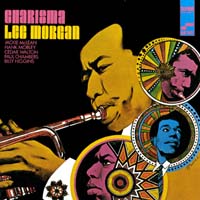 1969Charisma
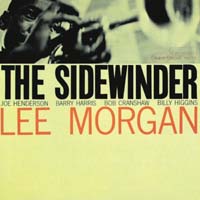 1963The Sidewinder